
Adobe’s Project Indigo faces iPhone 17 selfie sensor challenges, awaits iOS 26.1 fix
- By Web Desk -
- Oct 27, 2025


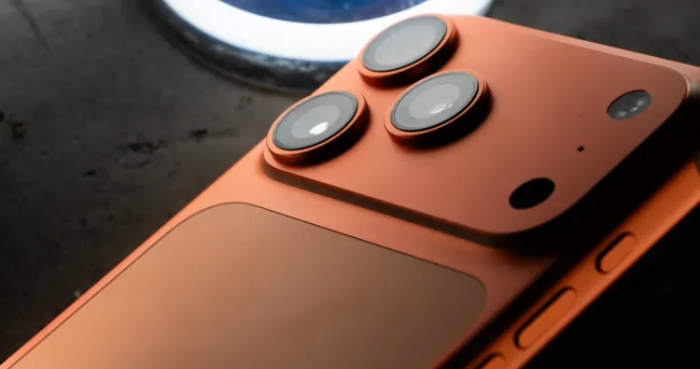
Adobe’s computational photography app, Project Indigo, initially faced difficulties adapting to the new square-format selfie sensor in the iPhone 17 series, leading to a month-long period without support for Apple’s latest phones.
While Adobe had been working to resolve the issue and provide updates on its Community forums, the company ultimately opted to disable front-facing camera access entirely to release a version of Project Indigo compatible with the iPhone 17.
Initially launched in June, the app quickly gained popularity among users who favored its gentle image processing over the standard iPhone camera.
However, the new sensors in the iPhone 17 series presented challenges for Project Indigo. While a forthcoming fix in iOS 26.1 will enable selfie camera support, iPhone 17 users are currently limited to rear-camera functionality.
The news came to light after a Redditor discovered the forum post and shared it with other users, as reported by TheVerge. While some users expressed indifference towards selfie support and primarily desired Indigo for rear-camera use, others highlighted the need for improved skin tone handling, noting a tendency for faces to appear yellowish.
This feedback from real-world usage is crucial in shaping subsequent fixes and improvements.
Japan presented a unique challenge in the discussion. Indigo’s method for reducing shutter lag involves continuously capturing and discarding frames in the background until the user presses the shutter button.
However, in Japan, where a distinct shutter sound is legally mandated for every photo taken, these background captures reportedly caused almost constant noise. Community members pointed out that Apple’s Camera app avoids this issue by not classifying these pre-captures as user “camera events,” suggesting that a software solution could be implemented to comply with regional regulations.
Indigo’s appeal is easy to understand. It uses lighter processing, keeps textures natural, preserves true colors, and avoids the harsh sharpness common in phone photos.
The app also arrives with credibility. The team includes veterans of computational photography who understand both the physics and the aesthetics of image making.
With the release of iOS 26.1, iPhone 17 users will experience a new approach to their rear cameras, with selfie camera enhancements to follow. While not yet perfect, this advancement signifies progress, realigning with the core focus desired by Indigo’s users.