
Al-Aqsa Mosque Imam arrested by Israeli forces ahead of Ramazan
- By Kumail Shah -
- Feb 18, 2026


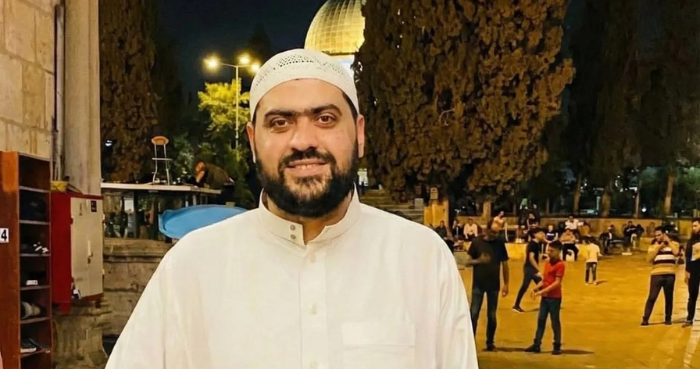
JERUSALEM: The imam of Al-Aqsa Mosque, Sheikh Mohammad al-Abbasi, was arrested by Israeli forces on Monday evening from inside the mosque’s compound in occupied Jerusalem.
The Palestinian news agency WAFA reported, citing local sources, that Israeli forces detained the Imam of the historic Al-Aqsa Mosque. No reason was provided for the detention.
WAFA stated that the arrest occurred alongside increasing Israeli measures against the revered Al-Aqsa Mosque. These measures include restrictions on imams, preachers, and worshippers present at the site, limitations on the entry of worshippers, and heightened incursions by settlers, all while being heavily protected by Israeli police.
Ramadan access restrictions
Israeli authorities barred Sheikh al-Abbasi from entering the Al-Aqsa Mosque compound for one week, an order that is subject to renewal, just hours before his arrest.
Abbasi expressed deep distress over the ban, especially as he had recently resumed his duties after a year-long recovery from a severe car accident. He stated that he was not informed of the reason for the restriction.
These restrictions are imposed as preparations intensify for Ramadan prayers, when Islam’s third-holiest site is expected to host hundreds of thousands of Palestinian worshippers.
‘Fascist occupation’
Hamas strongly condemned the arrest of al-Abbasi on Tuesday, calling the order banning him from Al-Aqsa Mosque a “blatant interference” in the mosque’s affairs and an “assault on its imams.”
The Palestinian resistance group accused Israeli authorities of escalating violations against Al-Aqsa’s sanctity. These actions include restricting worshippers, obstructing preparations for Ramadan, and permitting an increase in settler incursions.
Hamas interprets these measures as attempts to “Judaise” and gain control over the mosque, limit the freedom of worship, and impose a temporal and spatial division on the site.
Tensions remain high in the Old City and surrounding areas of Occupied East Jerusalem due to strict security measures, including frequent arrests and bans targeting religious figures and Palestinian residents.