
Antarctica's Thwaites Glacier losing grip as cracks outpace melting
- By Web Desk -
- Dec 29, 2025


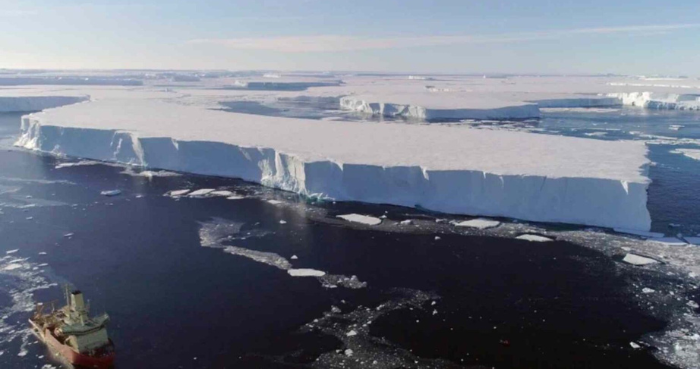
A new study reveals that the Thwaites Glacier, known as the “Doomsday Glacier” in Antarctica, is fracturing from the inside out, a process that could accelerate global sea level rise more than previously expected.
The glacier, which holds enough ice to raise global sea levels by two feet (65 cm), is losing its grip on the seafloor. A team led by Debangshu Banerjee at the University of Manitoba found that the glacier’s eastern ice shelf is disintegrating due to internal cracking, rather than just melting from below as previously thought.
Using 20 years of satellite and GPS data, scientists followed a “fragile strip” of ice known as a shear zone, which is tearing apart like stretched taffy.
The study determined a dangerous “positive feedback loop” driving this collapse. Long fractures appear first, followed by shorter, chopping cracks that slice the ice into weaker blocks.
As the ice weakens, it can no longer hold onto the underwater ridge, known as a pinning point, that anchors it. This loss of grip causes the glacier to speed up, which in turn creates even more cracks. “One striking result… is that crack growth in the center of the Thwaites Eastern Ice Shelf is now outpacing the ice loss caused by melting at its base,” the report notes.
Thwaites glacier acts as a cork in a bottle for the massive West Antarctic Ice Sheet. If its drifting ice shelf shatters, the land-based ice behind it will flow quickly into the ocean. While a total collapse would take centuries, the study warns that choices made today will determine the speed of that future.
However, for coastal communities, this isn’t just about lines on a map; it means more frequent flooding, higher storm tides, and rising insurance costs. The British Antarctic Survey warns that if ice loss accelerates, large parts of the ice sheet could be lost by the 23rd century.