
Asteroid 2024 YR4 could strike the Moon in 2032, causing historic impact
- By Web Desk -
- Jan 31, 2026


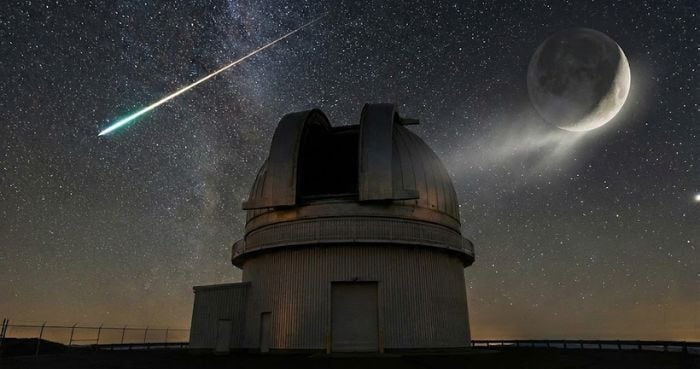
An asteroid, 2024 YR4, which once posed a threat to Earth, now has the potential to collide with the Moon in 2032. Scientists warn this event could be “the most energetic lunar impact ever recorded in human history.”
According to a new study, “Observation Timelines for the Potential Lunar Impact of Asteroid 2024 YR4,” such a collision would create a massive crater on the lunar surface approximately 1 km in diameter. Furthermore, the event would cause an “unusual illumination phenomenon,” producing a bright flash visible from Earth for hours after the impact.
The resulting flash would achieve a brightness of magnitude –3, comparable to how bright Mars or Jupiter appear to the naked eye.
Scientists also expect the collision to trigger a worldwide “Moonquake” and generate a meteor shower, with some debris potentially reaching Earth. The study notes that “the associated seismic energy release would lead to a global-scale lunar reverberation (magnitude ~5.0) that can be detectable by modern seismometers.”
Scientists added that the impact would eject approximately 10^8 kg of debris that could escape lunar gravity, with a small fraction reaching Earth to produce a “lunar meteor outburst within 100 years.”
Asteroid 2024 YR4, first spotted in December 2024, is currently hurtling through space at over 38,000 miles per hour. This space rock gained significant attention when it became the first asteroid to necessitate a “coordinated international planetary defense response” due to initial concerns about a potential impact with Earth.
Scientists have since concluded that the probability of the asteroid striking the Moon is low, at only 4.3 percent. Despite the slight risk, the overall assessment remains positive, as the study stated this scenario presents a “rare and valuable scientific opportunity.”
Scientists believe the asteroid consists of silicate rock and nickel-iron and likely originated from a group of asteroids in the central Main Belt between Mars and Jupiter. Experts once assessed the rock as having a 3.1 percent probability of impacting Earth in 2032, but they dismissed this possibility last year.