
Blue light from screens may not actually ruin your sleep habits
- By Web Desk -
- Apr 10, 2026


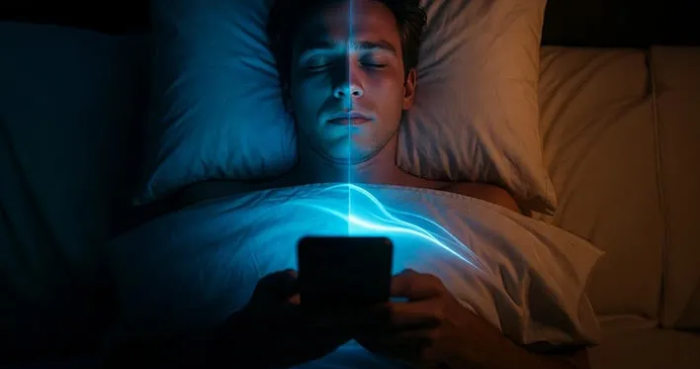
If you are having trouble sleeping, exposure to blue light may not be the culprit despite its reputation. While research shows that blue light affects sleep patterns, there are important nuances to consider about actual device exposure.
Thomas Germain at the BBC reviewed the research and found that the effects are not as straightforward as we have been led to believe.
The concern over blue light peaked after a 2014 study examined the effects of staring at an iPad before bed. The study found that individuals who read on an iPad took longer to fall asleep, felt groggier the next morning, and produced less melatonin.
It concluded that using light-emitting devices right before bed has biological effects that disrupt circadian rhythms.
However, Jamie Zeitzer, a professor of psychiatry and behavioral sciences at Stanford University, called the study an “incredibly deceptive piece of work.” Zeitzer did not take issue with the science but said it led people to draw bad conclusions.
According to Zeitzer, the amount of light emitted by today’s screens is negligible and does not match the conditions of laboratory studies, where subjects are kept in dim light all day before being exposed to a bright stimulus.
Additionally, Germain cites research indicating that 24 hours of blue light exposure from modern devices is roughly equivalent to just one minute spent outdoors.
Studies also suggest that standard blue light filtering glasses are ineffective. Ultimately, the timing of light exposure is crucial; as Zeitzer explains, getting more natural light during the day reduces the negative effects of screen light in the evening.