
Cement Price in Pakistan Today- Feb. 23, 2026
- By Web Desk -
- Feb 23, 2026


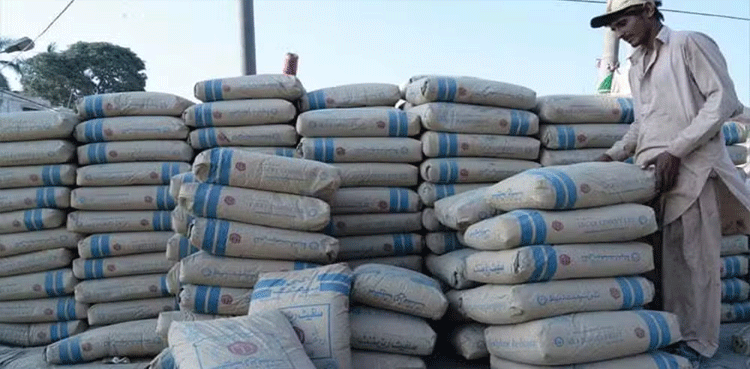
As of February 23, 2026, cement prices in Pakistan for a standard 50kg bag of ordinary Portland cement (OPC, typically 53 grade) range from approximately Rs. 1,340 to Rs. 1,450, depending on the region, quality, and local market factors. The nationwide average hovers around Rs. 1,380 to Rs. 1,420 per bag, with slight variations between northern and southern regions.
In major cities:
- Karachi and southern areas often see lower rates, typically Rs. 1,350 to Rs. 1,420, benefiting from proximity to production plants and better logistics.
- Lahore, Islamabad, and northern regions tend toward Rs. 1,380 to Rs. 1,450, influenced by higher transportation costs and demand from ongoing infrastructure and housing projects.
These rates reflect recent market stability, with minor fluctuations due to factors like fuel costs, energy prices, and seasonal construction activity. Prices can change daily or weekly based on supply chain dynamics, so checking with local dealers is recommended for the most precise quote.
Cement Market Update: What Builders Need to Know in 2026
Pakistan’s construction sector continues to rely heavily on cement as a core building material for homes, roads, commercial buildings, and infrastructure developments. In early 2026, the market shows a balanced trend after previous years of volatility driven by economic factors and input costs.
Current Cement Prices in Pakistan (Per 50kg Bag) The standard grey cement bag is priced in the range of Rs. 1,340–1,450 across the country. Southern markets, including Karachi, maintain slightly more affordable levels around Rs. 1,350–1,420, while northern cities like Lahore and Islamabad often quote Rs. 1,380–1,450. This regional difference stems from production locations, freight charges, and local demand patterns.
Experts note that prices have remained relatively steady in recent weeks, with only minor adjustments reported. This stability supports planning for small-scale home renovations, large residential projects, or public works. Builders and homeowners are advised to:
- Compare quotes from multiple suppliers for the best deal.
- Factor in bulk purchase discounts, which can lower effective costs.
- Monitor for any policy changes or energy price shifts that could influence future rates.
With ongoing government focus on housing schemes and infrastructure, demand remains consistent, helping keep supply chains active. For anyone involved in construction this season, staying informed on these authentic market rates ensures better budgeting and timely project execution.
Always verify the latest figures directly from trusted local vendors or dealers, as on-ground prices may include minor taxes, delivery fees, or dealer margins.