
Copper Price Today in Pakistan – 1 Kg Tamba Rate Feb. 10, 2026
- By Web Desk -
- Feb 10, 2026


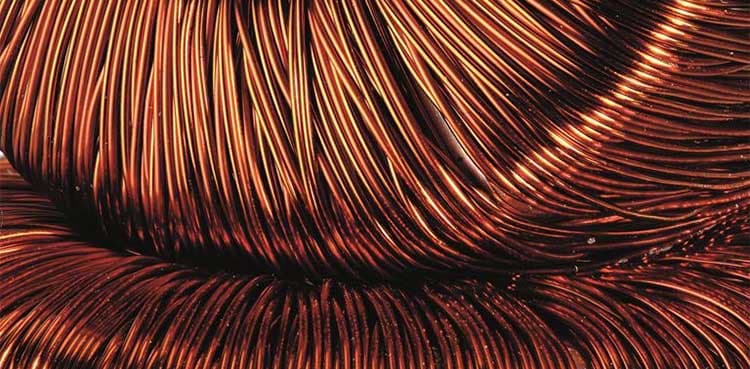
Looking for the current copper price in Pakistan today or the 1 kg tamba rate on February 10, 2026? High-quality Millberry scrap copper is trading at approximately Rs. 5,500 per kg in major markets including Karachi, Lahore, Islamabad, and Gujranwala. Refined new copper continues to carry a premium, typically quoted between Rs. 5,800 and Rs. 6,200+ per kg depending on purity, supplier, and location.
Copper Rate Today- Latest Updates
Internationally, copper prices have softened slightly today, with the benchmark trading around $5.90 per pound amid seasonal demand caution in China ahead of the Lunar New Year holidays. Below is the full update with local and global rates, comparison, and key insights on why copper remains a critical metal in 2026.
| Copper Type | Price per kg (PKR) | Market Notes |
|---|---|---|
| High-Quality Millberry Scrap | Rs. 5,500 | Most actively traded grade |
| Refined New Copper | Rs. 5,800 – 6,200+ | Higher purity |
| Standard / Mixed Copper Scrap | Rs. 2,100 – 3,500 | Wide variation |
Local prices hold a consistent premium over the international converted rate due to import duties, logistics, taxes, steady domestic demand from electrical and construction sectors, and the current USD/PKR exchange rate (around 280).
| Benchmark | Current Level | Daily Change (approx.) |
|---|---|---|
| Spot / Nearest Futures | $5.90 – $5.92 per pound | -0.8% to -1.0% |
| LME 3-Month Copper | ~$12,980 – $13,000 per tonne | Slightly softer |
| 30-Day Performance | Down ~2.0–2.2% | — |
| Year-on-Year Change | Up ~28–29% | — |
Using an approximate exchange rate of 280 PKR per USD, the current international base price converts to roughly Rs. 3,630 – 3,670 per kg before any import-related costs or local markups.
The modest decline today is linked to seasonal slowdowns in Chinese industrial activity as manufacturers prepare for holidays, along with some inventory build-up. Supply-side factors like production challenges in major mines continue to provide underlying support, while long-term demand from electrification and green energy remains robust.
Analysts expect prices to stabilize and recover toward $6.00 per pound by the end of Q1 2026, with longer-term forecasts pointing to $6.65–$6.70 over the next 12 months.
| Market | Approx. Price per kg | Main Reason for Difference |
|---|---|---|
| Pakistan (Millberry Scrap) | Rs. 5,500 | – |
| International base price | Rs. 3,630 – 3,670 | Pure LME/COMEX rate |
This gap highlights the importance of monitoring both global benchmarks and rupee-dollar trends for accurate local pricing.
Why Copper Prices Matter in 2026
Copper is often called “Dr. Copper” because its price acts as a real-time gauge of global industrial health. Rising prices generally signal strong manufacturing, infrastructure spending, and growth in green energy sectors. The current softness reflects temporary seasonal factors in major markets like China, but the structural outlook remains positive due to supply constraints in key mining regions and accelerating demand from electric vehicles, renewable energy, battery storage, data centers, and modern power infrastructure.
In Pakistan, copper price changes directly influence costs for electrical wiring and cables, construction budgets, solar and renewable installations, and margins in the scrap and recycling industry. Long-term, the metal’s role in the global energy transition keeps demand very strong.
Key Uses Driving Copper Demand
Copper’s superior electrical conductivity, corrosion resistance, and recyclability make it essential across industries. It forms the core of electrical wiring, power cables, motors, and transformers in homes, offices, factories, and grids. Electric vehicles are a major growth driver — a typical EV uses far more copper than a conventional car, mainly in motors, batteries, and charging systems.
Renewable energy projects rely heavily on copper for solar connections, wind turbine generators, and storage solutions. Construction uses it for durable plumbing pipes, roofing, and antimicrobial fittings. Electronics, 5G networks, and AI data centers further boost consumption through high-speed cabling and circuit boards. Around 80% of all copper ever mined remains in use today due to excellent recycling, helping support long-term supply stability.