
Coral reefs act as 'timekeepers' for ocean microbes, study finds
- By Web Desk -
- Jan 03, 2026


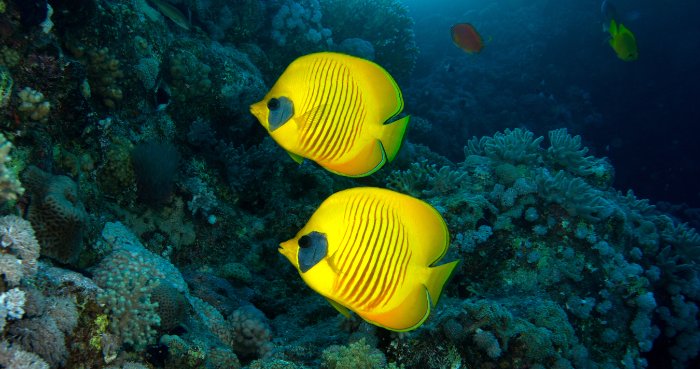
A recent study published in the journal Science Advances reveals that coral reefs do more than just provide ocean habitat; they actively assist in setting the daily rhythms for nearby marine microbes.
Researchers from the Hebrew University of Jerusalem tracked microbial populations above a coral reef in the northern Gulf of Aqaba (Red Sea). The study compared these populations to those in adjacent open waters during both winter and summer.
The investigation showed that reef waters consistently contained fewer bacteria and microalgae than open waters. This indicates that reef organisms are actively “cleaning” the water by removing and consuming these microbes.
Furthermore, the daily cycles related to sunlight and coral metabolism were distinct, with Symbiodiniaceae (a family of coral symbionts) peaking around midday.
Significantly, the study found that these daily microbial rhythms were often more pronounced than seasonal changes. This highlights the critical importance of the time of day when studying reef ecosystems; a sample taken at noon might look drastically different from one taken at midnight, regardless of the season.
These discoveries suggest that monitoring these daily microbial cycles could be a valuable new method for scientists to assess reef health in the face of a changing ocean.