
USD to PKR: Dollar Rate Today in Pakistan- October 27, 2025
- By Web Desk -
- Oct 27, 2025


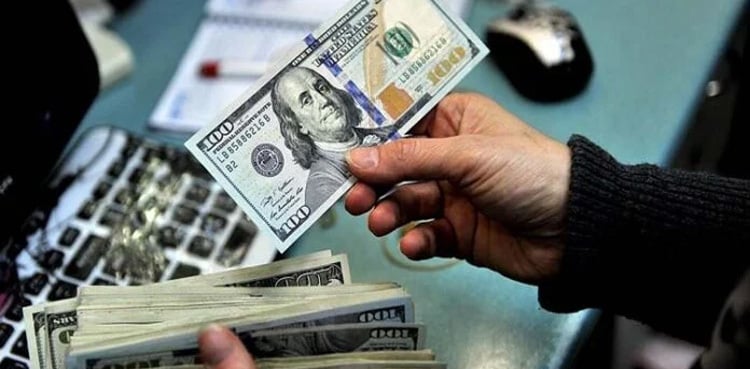
The US Dollar (USD) has kicked off the new week with strength against the Pakistani Rupee (PKR), with the exchange rate hitting 283.22 PKR per USD today, October 27, 2025.
This rate reflects sustained upward pressure on the Rupee, as the market navigates persistent economic challenges. Analyzing the trend from the past week (starting roughly October 21), the USD has consistently held firm above the 280-mark. After briefly dipping lower, the currency quickly rebounded, hitting a high of approximately 283.30 PKR on October 24 before easing slightly. Today’s rate of 283.22 PKR signifies that despite minor fluctuations, the dollar demand remains robust, keeping the Rupee on the defensive.
Valuation Criteria and Key Economic Impact
The fundamental vulnerability of the Pakistani Rupee, which dictates the high valuation of the USD, stems from the nation’s severe trade and fiscal deficits. The key valuation drivers are: the constant need for US Dollars to cover a massive import bill (especially for energy and food items), and the imperative to service and repay large volumes of external foreign debt denominated in dollars. Any shortfall in Foreign Direct Investment (FDI) or essential remittance inflows exacerbates the demand-supply gap, thus weakening the PKR. Furthermore, market sentiment remains acutely sensitive to the pace of economic reforms and the status of ongoing IMF programs, which serve as confidence anchors for the economy.
A rate of 283.22 PKR per USD carries significant and immediate consequences for Pakistan. Firstly, the high dollar rate directly fuels imported inflation. The higher local cost of purchasing goods priced in USD, like oil and raw materials, leads to increased prices across the board, intensifying the cost-of-living crisis for the average citizen. Secondly, the government’s external debt becomes significantly more expensive to manage, placing a strain on the national exchequer and crowding out spending on public welfare and development projects. While a weaker Rupee theoretically benefits exporters by making their goods cheaper internationally, this positive effect is often mitigated by the higher cost of imported inputs required for production. On a positive note, the expatriate community benefits from the high conversion rate, with their remittances providing essential liquidity and support for domestic households.