
'Economic Terrorism': Hafiz Naeem Slams Govt Decision to Slash Solar Net-Metering Rates
- By Web Desk -
- Feb 11, 2026


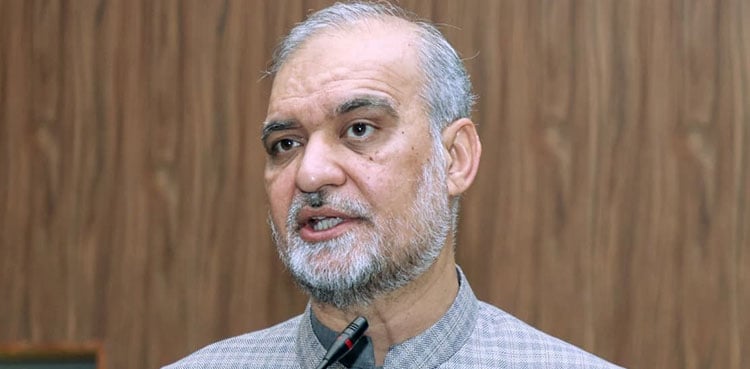
LAHORE: Jamaat-e-Islami (JI) Chief Hafiz Naeem-ur-Rehman has accused the government of deceiving the public regarding net metering, ARY News reported.
In a statement, the JI chief described the decision to roll back the net metering system as “anti-people.” He claimed that the government’s aim is to safeguard the “IPP (Independent Power Producers) mafia,” noting that solar consumers will now be forced to sell their generated electricity at extremely low rates.
Hafiz Naeem further highlighted the disparity, stating that while consumers will sell their surplus energy cheaply, they will still be forced to purchase expensive electricity from the grid when their own production is insufficient.
Terming the reduction in net-metering rates as “economic terrorism,” he asserted that all government policies in the power sector have utterly failed.
He lambasted the authorities for transferring the burden of circular debt and high electricity costs onto the masses.
He concluded by categorically rejecting the decision made by the government and NEPRA to slash buyback rates for solar consumers.
نیٹ میٹرنگ کا خاتمہ عوام دشمن فیصلہ ہے، حکومت نے عوام کو دھوکا دیا ہے، جس کا مقصد IPPs مافیا کو بچانا اور عوام سے سستی بجلی کا حق چھیننا ہے۔ اب سولر صارفین اپنی پیدا کردہ بجلی سستے داموں فروخت کریں گے، جبکہ اپنی ضرورت کی بجلی مہنگے ٹیرف پر خریدنی پڑے گی۔ یہ واضح معاشی دہشت گردی… pic.twitter.com/nW19GEvAGF
— Naeem ur Rehman (@NaeemRehmanEngr) February 10, 2026
Earlier today, the National Electric Power Regulatory Authority (NEPRA) has set new electricity buyback rates for both existing and new solar consumers, ARY News reported.
NEPRA has established separate rates for these two categories. Under the new rules, existing solar consumers will continue to sell electricity to the national grid at the previous rate of Rs 25.32 per unit.
It is pertinent to mention that solar net-metering consumers in Pakistan have surpassed 466,000, with 82% located in major cities.
The majority of these consumers reside in Lahore (24%), Multan (11%), Rawalpindi (9%), Karachi (7%), and Faisalabad (6%).
According to the Power Planning and Monitoring Company (PPMC), the government generates approximately 7,000 MW of electricity through solar energy, while off-grid consumers generate an additional 13,000 to 14,000 MW.