
Filmmaking With Advanced Media Technology Services
- By Web Desk -
- Feb 09, 2026


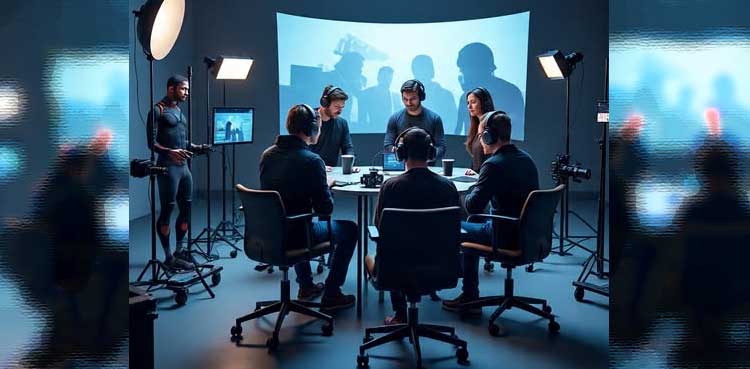
Filmmaking has changed dramatically in recent years thanks to advanced media technology services. Many companies in the OTT and streaming industry, such as ARYtech, are helping filmmakers bring their visions to life using the latest AI tools.
Today, technology allows storytellers to craft cinematic experiences with precision and efficiency. From shooting to post-production, every stage benefits from software and IT systems designed for the media industry. The way filmmakers interact with cameras, editing suites, and digital assets has never been smoother, and audiences are the ultimate winners.
Modern filmmaking relies heavily on video editing software solutions. These tools do more than just cut and merge clips. They allow creators to add effects, adjust colors, manage sound, and ensure continuity.
A director can visualize the final product even while shooting, thanks to real-time editing. This level of control reduces errors and streamlines production. Editors no longer spend days redoing sequences. It makes post-production faster and more creative, giving filmmakers room to experiment without losing quality.
IT solutions for media industry also play a key role in modern filmmaking. Storage, security, and collaboration are just as important as creativity. Large files, raw footage, and high-resolution content need reliable systems to manage them efficiently.
With cloud-based servers and secure networks, teams across locations can work together as if they were in the same studio. This flexibility allows both independent filmmakers and large production houses to coordinate better, save costs, and meet tight deadlines. IT solutions also protect intellectual property, which is vital in an industry where leaks and piracy are risks.
Advanced media technology has also democratized filmmaking. Tools and systems once available only to big studios are now accessible to smaller teams and individual creators. High-quality cameras, drones, and editing software, paired with cloud workflows, can produce content rivaling traditional studio productions.
Also, collaboration has been transformed by these advances. Directors, editors, sound designers, and visual effects artists can communicate in real-time, regardless of location. Feedback is immediate, revisions are simpler, and creative ideas can be implemented quickly. This connected approach ensures every team member contributes fully, maintaining quality while respecting deadlines.
Artificial intelligence and machine learning are also opening new possibilities. AI-powered tools assist with editing, automate repetitive tasks, and suggest creative alternatives based on scene analysis. This lets editors and directors focus on storytelling rather than technical hurdles.
Filmmakers can experiment with virtual reality and interactive storytelling, opening new ways to engage audiences. Technology ensures the final product looks polished, professional, and enjoyable, meeting the expectations of viewers used to high standards from streaming platforms and cinemas.
In conclusion, filmmaking with advanced media technology services is not just about efficiency, it’s about expanding creative possibilities. From pre-production to post-production, these tools streamline work, protect assets, and allow teams to focus on storytelling. As technology continues to evolve, the future of filmmaking promises even more innovation, collaboration, and immersive experiences for audiences worldwide.