
Fleet Space AI satellite tech expands massive lithium deposit in Quebec
- By Web Desk -
- Nov 26, 2025


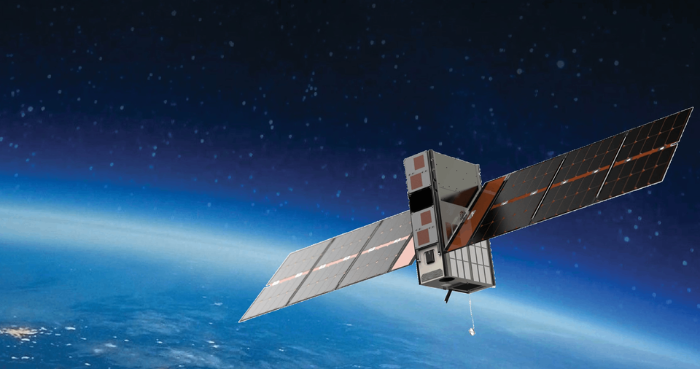
Startup Fleet Space announced Tuesday that it has utilized its satellite-enabled AI system to expand the boundaries of an already significant lithium deposit in Quebec.
Identifying a mineral resource is challenging. Only about three out of every 1,000 potential deposits ultimately become commercially viable, and proving this can take years of drilling core samples. Fleet Space claims its innovative approach can streamline drilling operations, reducing the decision-making time from weeks to just a few days.
Traditional exploration costs mining companies $50–100 million per project and has a 0.3% success rate. Fleet Space’s satellite-enabled method costs roughly one-tenth as much and has identified viable deposits in 8 of 12 projects tested, for a 67% success rate.
The startup operates a constellation of satellites that communicate with ground sensors to map the subsurface using Ambient Noise Tomography (ANT). Fleet Space then processes this data through its software platform, which can identify new drilling locations in just 48 hours.
The 329 million metric tons figure represents the lithium ore resource, which could translate to substantial amounts of refined lithium carbonate—enough to power approximately 1.6 billion electric vehicles. At current market prices, the deposit’s potential value exceeds $980 billion.
Estimates for the Corvette project now suggest it could produce up to 329 million metric tons of lithium ore. Fleet Space stated that lithium deposits may extend beyond Corvette’s current boundaries, noting that the region has “district-scale potential.”