
Gul Plaza Fire: 15 more victims identified using DNA, Proof of Presence
- By Web Desk -
- Jan 29, 2026


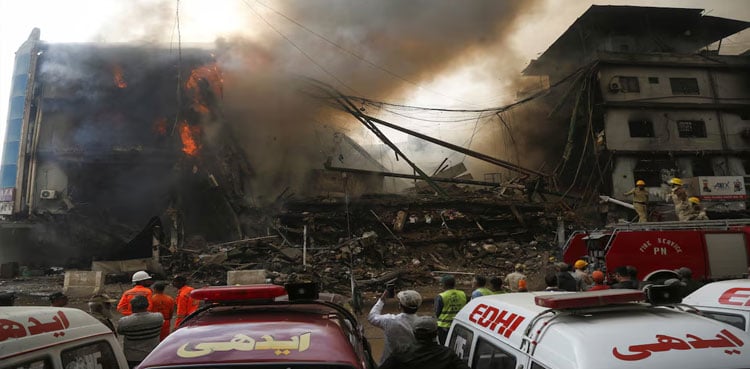
KARACHI: Authorities have identified a total of 69 victims from the tragic Gul Plaza fire, using a combination of DNA testing and “proof of presence” methods. The latest update comes as the Sindh Forensic DNA Lab released results for 15 more missing individuals.
According to officials leading the identification project, 42 bodies have been confirmed using proof of presence techniques, while 22 were identified through DNA testing. The remaining identifications relied on mobile phone locations and other scientific methods to establish the victims’ presence at the scene.
Project leads emphasized that as DNA testing options were exhausted, investigators increasingly relied on proof of presence to confirm the identities of the remaining victims. The forensic process is ongoing, and authorities continue to work to ensure all families receive accurate information about their loved ones.
The Gul Plaza fire, which claimed dozens of lives, remains one of Karachi’s deadliest building fires in recent memory, and authorities have stressed the importance of thorough identification before any public announcements.
Judicial Inquiry
Meanwhile, the Sindh government has announced a judicial inquiry into the Gul Plaza tragedy and has formally written to the Chief Justice of the Sindh High Court seeking the formation of a judicial commission, Sindh Information Minister Sharjeel Inam Memon said on Thursday.
Addressing a press conference, Memon stated that the government has requested an inquiry to be conducted by a serving judge to ensure transparency and credibility. He stressed that the decision to seek a judicial probe was made independently and not under pressure from any political party.
“We are making the inquiry as transparent as possible so that no one can raise fingers later,” Memon said, adding that the Sindh government would not bow to political pressure in the matter.
Key Findings in Gul Plaza Initial Probe
The investigation report into the deadly Gul Plaza fire has revealed a series of serious safety lapses, delayed emergency response, and structural flaws that allowed the blaze to spread rapidly and trap dozens of people inside the building.
According to the inquiry report, the fire broke out after a matchstick ignited artificial flowers inside Shop No. 193 on the ground floor. The presence of highly flammable material in the shop caused the fire to spread within minutes, turning the incident into a major disaster.
Investigators said initial firefighting efforts failed due to delayed water supply. Fire brigade teams also lacked the proper equipment needed to control an intense blaze, further worsening the situation.
The report confirmed that Gul Plaza had no fire alarm or sprinkler system installed. A delay in cutting off the electricity allowed the fire to intensify, while inadequate and blocked emergency exits left many people with no escape route. Smoke quickly filled staircases and corridors, trapping several occupants inside the building.
The inquiry found that the building’s design violated basic fire safety regulations and directly contributed to the rapid spread of flames. Fire safety audits were either ignored or never implemented, the report added.
Rescue officials stated that Rescue 1122 received information about the Gul Plaza fire at 10:36 am, but the alert itself was delayed after the fire broke out. The first emergency unit was dispatched at 10:37 am, however, fire tenders soon ran out of water. Due to the shortage, vehicles had to return to refill, allowing the fire to spread further.
The report also highlighted that access to Gul Plaza was extremely limited. Narrow entry points, sealed windows, blocked gates, and iron grills severely hindered rescue operations. The absence of cutting tools caused delays in removing iron grills, while heavy smoke, intense heat, and darkness made the operation life-threatening for rescue personnel.
According to the findings, the number of shops inside Gul Plaza exceeded the approved building plan. Rescue 1122 described the structure as unsafe, stating that the building’s layout accelerated the fire rather than containing it.
The inquiry further pointed out weaknesses in Karachi police crowd control and rescue coordination during the emergency. Several people remained trapped on the mezzanine floor for a prolonged period due to the lack of access and equipment.
The report concluded that negligence by the building’s management was a major factor behind the tragedy. It also noted that resources available to combat a large-scale fire in the area were insufficient.
Authorities are expected to take further action based on the findings of the investigation report.