
Heartbreaking Stories of 2025: A Tragic Year-Ender Recap
- By Web Desk -
- Dec 30, 2025


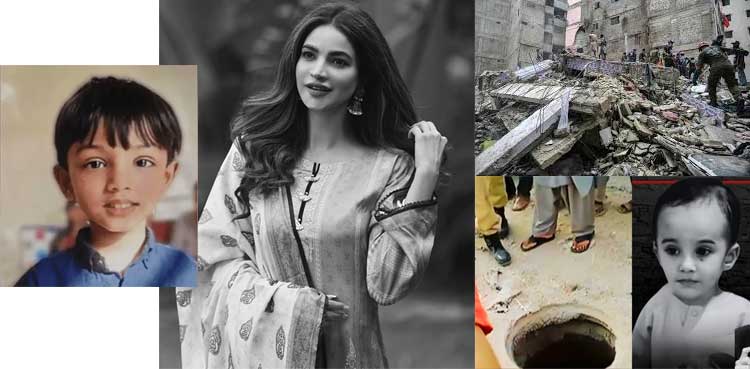
As 2025 draws to a close, the world reflects on a year filled with triumphs and tragedies. Among the most poignant are the heartbreaking stories that highlight human vulnerability, systemic failures, and unimaginable loss.
From personal tales of isolation to catastrophic accidents and natural disasters, these tragic events of 2025 have left indelible marks on communities and sparked calls for change.
The Lonely Death of Humaira Asghar Ali
In July 2025, the discovery of Pakistani actress and model Humaira Asghar Ali’s body in her Karachi apartment sent shockwaves through the entertainment industry and beyond. Police entered the DHA residence to enforce an eviction order, only to find her remains in an advanced state of decomposition. Initial estimates suggested she had been deceased since October 2024, meaning her passing went unnoticed for nearly nine months despite her public persona and over 700,000 social media followers. This tragic isolation highlighted the stark contrast between her online fame and real-life solitude, with no friends or family checking on her during that period. Speculation swirled about the cause of death, ranging from natural causes to foul play, but early forensic reports leaned toward a natural demise pending full lab results.
The story took a darker turn with revelations about family estrangement. Humaira’s father refused to claim her body, prompting outrage and offers from celebrities to arrange her burial. This neglect fueled discussions on societal attitudes toward women in showbiz, mental health stigma, and the illusion of connection in the digital age. Public reactions included conspiracy theories and insensitive media coverage, with leaked images and unverified details amplifying the grief. Actors like Osman Khalid Butt condemned the lack of empathy, urging better support systems. Humaira’s case became a symbol of 2025’s hidden tragedies, where fame couldn’t shield against profound loneliness, sparking broader conversations about checking on loved ones in an increasingly disconnected world.
The Sarim Case: A Child’s Mysterious and Heartbreaking End
Seven-year-old Sarim vanished from his North Karachi home on January 7, 2025, igniting a frantic search that gripped Pakistan. Eleven days later, on January 18, his body was discovered in a nearby water tank, a heartbreaking revelation that turned a missing child case into a national tragedy. Initially thought to be an accidental drowning due to open infrastructure hazards similar to manhole incidents, the post-mortem report delivered a shocking twist: evidence of strangulation and a broken neck bone suggested foul play. This shift from accident to potential murder deepened the family’s anguish and raised questions about child safety in urban areas plagued by negligence.
Sarim’s family staged protests demanding justice, highlighting systemic issues like inadequate policing and community vigilance. The case echoed other 2025 child tragedies in Pakistan, underscoring the dangers of unsecured water sources and manholes that claimed young lives. Public outcry led to calls for investigations into possible abductions, with the boy’s innocent disappearance turning into a symbol of parental nightmares. As one of the most tragic child death stories of 2025, Sarim’s story prompted reflections on societal responsibility, leaving a void in his community and fueling advocacy for better child protection measures amid ongoing urban hazards.
The Ibrahim Case: A Toddler’s Tragic Fall into Civic Neglect
In a heartbreaking incident on the night of November 30, 2025, three-year-old Ibrahim Nabeel fell into an uncovered manhole outside a departmental store near Nipa Chowrangi in Karachi’s Gulshan-e-Iqbal area. The only child of his parents, Ibrahim was accompanying his family on a routine shopping trip when he slipped away momentarily and plunged into the gaping sewer drain, which had been without a lid for days despite its location in a busy commercial hub. A frantic 15-hour rescue operation ensued, hampered by toxic gases, rapid water flow, and lack of proper equipment, with locals even arranging heavy machinery themselves. Tragically, his body was recovered nearly a kilometer downstream the next day, turning a family outing into an unimaginable nightmare.
The case ignited nationwide outrage, highlighting Karachi’s chronic infrastructure failures where open manholes claimed at least 23-27 lives in 2025 alone, many of them children. Political leaders, celebrities, and citizens decried it as criminal negligence rather than a mere accident, with protests demanding accountability from the Karachi Metropolitan Corporation, Water and Sewerage Corporation, and mayor. Several officials were suspended, budgets allocated for manhole covers, and inquiries launched, but critics pointed to recurring thefts, poor maintenance, and bureaucratic blame-shifting. Ibrahim’s story, echoing similar tragedies like those of Sarim and Dilbar, became a stark symbol of urban apathy, spurring calls for systemic reforms to protect vulnerable lives from preventable hazards in Pakistan’s megacity.
The Dilbar Case: Another Victim of Open Manhole Negligence
In a devastating incident in late December 2025, eight-year-old Dilbar Ali fell into an uncovered manhole while playing outside his home in Karachi’s Mehran Town, Sector 6-G. The only child of a daily wage laborer, Dilbar’s tragic death occurred around 5pm, with locals attempting a desperate rescue by tying ropes to descend into the sewer. Despite their efforts, he was pronounced dead upon retrieval, marking yet another heartbreaking loss due to civic apathy. The manhole had remained open despite repeated complaints, exposing the perilous state of Karachi’s infrastructure.
This case, the second major manhole-related child death in Karachi within a month, amplified calls for accountability. Officials like Deputy Mayor Salman Abdullah Murad visited the site, promising punishments and noting allocated funds for covers that went unused. With 27 such fatalities reported in 2025 by aid organizations, Dilbar’s story epitomized systemic failures in urban maintenance. Mourning relatives and protesters decried the negligence, linking it to broader governance issues. As a poignant example of tragic events in 2025, it spurred demands for immediate reforms to prevent future heartbreaks in vulnerable communities.
The Swat River Family Tragedy: Swept Away in Flash Floods
In June 2025, a family of tourists became the face of Pakistan’s devastating monsoon flash floods when they were swept away by the raging Swat River in northern Khyber Pakhtunkhwa. Viral videos captured the heartbreaking scene: the family, stranded on a small island of land while picnicking, pleaded for help as waters rose rapidly around them. Witnesses reported they waited over an hour for rescue that never arrived in time, with the floodwaters ultimately claiming at least nine lives from the group, including several children. This incident occurred amid heavy rains that triggered widespread flooding, killing dozens across the region in just days.
The tragedy sparked national outrage over delayed rescue responses and inadequate warnings, with social media amplifying the family’s desperate cries. It highlighted Pakistan’s vulnerability to climate-induced disasters, as glacial melts and intense monsoons turned scenic spots into death traps. Families mourned the loss of joyful outings turned fatal, prompting debates on tourism safety and government preparedness. As one of the most visceral heartbreaking stories of 2025, the Swat River incident underscored the human cost of extreme weather, fueling calls for better early warning systems and infrastructure to protect lives in flood-prone areas.
Lyari Building Collapse: Lives Buried Under Negligence
On July 4, 2025, a five-storey residential building in Karachi’s densely populated area suddenly collapsed, burying residents under tons of rubble and claiming at least 27 lives in one of the year’s deadliest structural failures. Survivors recounted terrifying moments as the aging structure gave way without warning, trapping families inside. Rescue operations lasted days, with stories emerging of lost loved ones, including children, pulled from the debris. The incident exposed widespread issues of poor construction standards, illegal additions, and lax enforcement in Pakistan’s urban centers.
Grieving families shared tales of displacement and trauma, with many left homeless amid ongoing searches for missing relatives. Investigations pointed to substandard materials and oversight lapses, igniting public fury over recurring building collapses that have plagued Karachi. As a defining tragic event of 2025, it led to promises of stricter regulations and demolitions of risky structures, but also highlighted the ongoing risks faced by low-income communities. This heartbreak served as a grim reminder of the need for accountability in urban development to avert future catastrophes.
These heartbreaking stories from Pakistan in 2025 remind us of the urgent need for societal change, better infrastructure, and climate resilience. As we step into 2026, may they inspire action to prevent such sorrows.