
Instagram chief declares 'polished' feed dead as AI floods social media
- By Web Desk -
- Jan 02, 2026


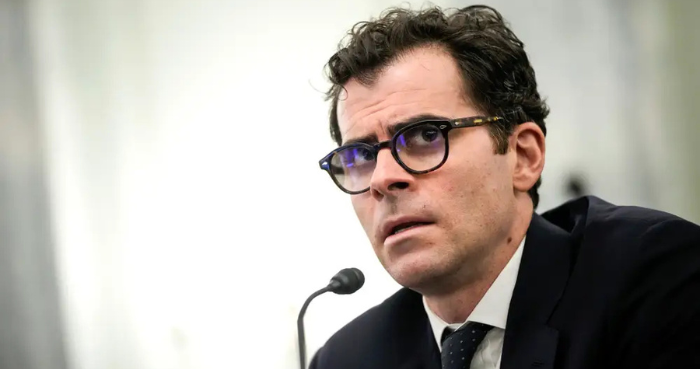
Instagram chief Adam Mosseri has declared the app’s era of the “polished” feed dead, warning that the platform must evolve to survive a coming flood of AI-generated content.
In a candid end-of-year message posted on Threads this Wednesday, Mosseri cautioned that rapid AI advancements have effectively destroyed the value of Instagram’s traditional aesthetic.
“Unless you’re under 25 and use Instagram, you probably think of the app as a feed of square photos. The aesthetic is polished: lots of makeup, skin smoothing, high contrast photography, beautiful landscapes,” Mosseri wrote.
“That feed is dead,” the Meta executive stated bluntly. “People largely stopped sharing personal moments to feed years ago.”
Mosseri noted that users have shifted to keeping friends updated through unpolished content—”shoe shots and unflattering candids”—shared privately via direct messages.
The Instagram chief suggested that the increasing prevalence of AI-generated images necessitates a major shift for creators. He advised them to move away from highly curated grids and professional photography toward a “more raw aesthetic.”
“Flattering imagery is cheap to produce and boring to consume. People want content that feels real,” he wrote, adding that social media feeds are beginning to fill up with “synthetic everything.”
The surge in AI content, created by tools like Midjourney and Sora, is overwhelming platforms. However, Meta itself is aggressively driving this trend. Last year, Instagram introduced an AI studio, allowing users to create digital likenesses of themselves, and has explored AI influencers modeled after celebrities.
Acknowledging the difficulty in identifying this content, Mosseri admitted that platforms will struggle to spot fakes as technology continues to improve.
“One solution could be for camera companies to cryptographically sign photos when they are taken to prove they are real,” he suggested.
He emphasized that Instagram should clearly label AI-generated content and increase transparency. “For most of my life, I could safely assume that the vast majority of photographs or videos that I see are largely accurate captures of moments… This is clearly no longer the case,” Mosseri concluded.