
NASA tests blockchain technology to secure drone flight data
- By Web Desk -
- Jan 17, 2026


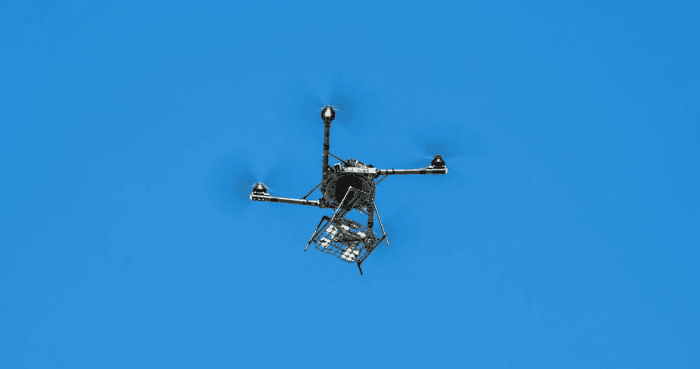
NASA researchers have successfully tested a blockchain-based cybersecurity system designed to protect flight data from interception and manipulation. The experiments took place at the Ames Research Center in California. Specifically, the team used an Alta-X drone to show how decentralized ledgers can secure real-time communications between aircraft and ground stations.
As cyberthreats against aviation systems evolve, NASA is exploring alternatives to traditional “layered” security measures. The blockchain approach creates a tamper-proof digital record.
Therefore, it ensures that critical information—such as flight plans, telemetry, and operator registration—remains accurate. This information is also accessible only to trusted parties.
During the August flight test, the drone operated in simulated real-world conditions using a custom hardware and software package. The team used an open-source framework that successfully managed digital transactions. This proved the technology can handle the speed and security requirements of live air traffic management.
NASA researchers believe this technology could be pivotal for the future of aviation, particularly for Urban Air Mobility. It could also be important for autonomous high-altitude aircraft operating above 60,000 feet.
By validating that blockchain can safely transmit and store information in real time, the agency aims to build a scalable, trusted ecosystem. This will support the next generation of air travel.