
NIH issues high alert amid rise in H3N2 'super flu' cases in Pakistan
- By Hassan Hafeez -
- Dec 16, 2025


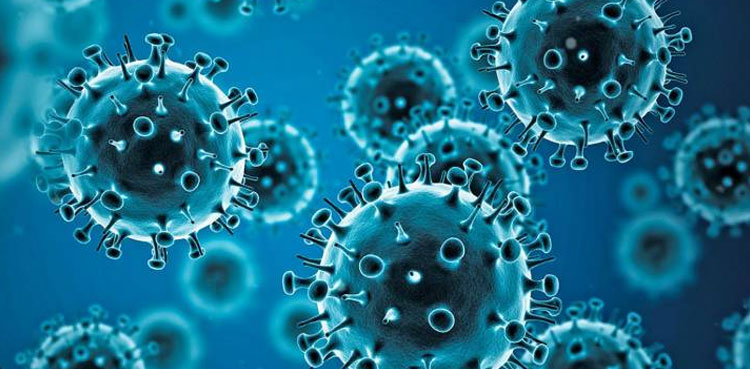
The National Institute of Health (NIH) has issued a high alert following confirmation of the H3N2 ‘super flu’ cases in Pakistan, ARY News reported on Tuesday.
According to the NIH, the H3N2 sub-clade “K” is spreading rapidly across Pakistan. The data shows that 20 per cent of circulating H3N2 samples in Pakistan belong to this more dangerous sub-clade.
In response, the NIH has directed both federal and provincial health departments to remain on high alert amid rise in super flu cases.
The country is witnessing an unusual and early surge in seasonal influenza cases. The NIH has instructed hospitals to prepare for a rise in outpatient visits and hospital admissions. Since May 2025, 66 per cent of reported Influenza A cases have been linked to H3N2.
NIH surveillance indicates that more than 340,000 suspected flu cases have been reported over the past six weeks.
Laboratory data shows that 12 per cent of tested samples were positive for H3N2 (super flu).
Health authorities have warned that flu cases are likely to increase further during the winter months.
The H3N2 virus poses a higher risk to elderly individuals, children, and pregnant women. Patients with diabetes, heart disease, and respiratory conditions are also included in the high-risk group. The NIH noted that overcrowded areas and poorly ventilated indoor spaces are contributing to the rapid spread of the virus.
The NIH has called for stricter infection control measures nationwide. It stated that seasonal influenza vaccination remains an effective tool for preventing severe illness and deaths, and confirmed that the currently available vaccine is effective against the H3N2 sub-clade “K.”
The NIH has also recommended early antiviral treatment for high-risk patients, warning that delays in treatment can lead to pneumonia and respiratory failure.
The public has been urged to adopt precautionary measures and ensure timely vaccination.