
OMR to PKR: Omani Riyal to Pakistani Rupee Rate - Dec. 27, 2025
- By Web Desk -
- Dec 27, 2025


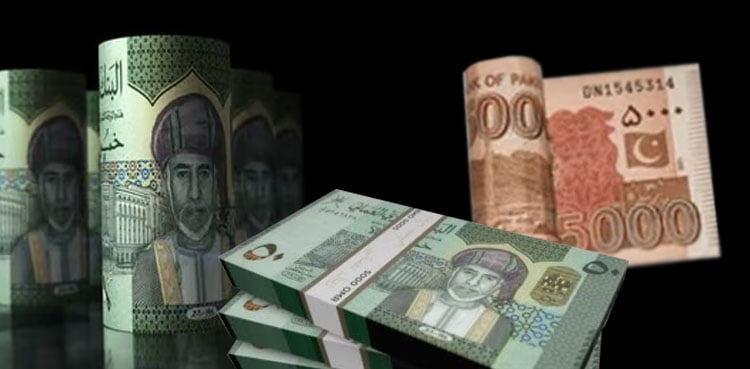
As of today, December 27, 2025, one Omani Riyal (OMR) stands at 728.30 Pakistani Rupees (PKR), extending the gradual softening from last week’s 729.13 PKR. Anyone following the OMR to PKR exchange rate sees this ongoing mild decline, driven by softer oil prices counterbalanced by Pakistan’s reliable remittance inflows.
Here’s an overview of the influences, a quick currency comparison, and the everyday implications for communities and commerce linking the Gulf with South Asia.
The Omani Riyal (﷼) holds its reputation for rock-solid performance, pegged to the US Dollar at 2.6008 since 1986 and bolstered by Oman’s deep oil reserves. It’s a true steady performer in unpredictable times. The Pakistani Rupee (₨), under the State Bank of Pakistan’s guidance, has more room to move as a floating currency—reacting to inflation shifts, strong expatriate transfers, and wider global currents.
This week, the OMR/PKR pair continued its quiet downward path, dropping from around 729.13 PKR last Saturday to today’s 728.30—a gentle fall of about 0.11%. The Riyal’s stability draws from Oman’s oil exports, yet Brent crude settling near $60-61 per barrel amid ample global supply is applying light pressure. Meanwhile, the PKR draws strength from November’s robust $3.2 billion in remittances—much of it from Omani-based workers—while inflation eased to 6.1% (still well above Oman’s ~1.5%). The OMR’s dollar linkage keeps it in step with US signals. Trading below the 50-day average around 732 PKR, the rate points to possible continued mild weakness if oil remains subdued.
These figures translate directly to real lives. A Pakistani worker in Muscat earning 500 OMR now sends home approximately 364,150 PKR, a modest trim but enough to help with persistent costs for items like rice facing ongoing pressures. This week’s easing slightly dents remittance strength, but consistent flows from Gulf roles keep many families supported. Bilateral trade, typically around $1-1.2 billion yearly—with Pakistan supplying textiles and rice, Oman delivering energy goods—also senses these tweaks. A somewhat softer OMR could reduce expenses for Pakistani importers of Omani products, perhaps offering exporters a small boost. For travel plans, 1,000 PKR still secures roughly 1.37 OMR toward a Muscat trip, steady from recent weeks.
To keep pace with future OMR to PKR changes, follow crude oil trends and Pakistan’s remittance reports. Solid real-time platforms like Xe or Investing.com make tracking simple. Whether transferring salaries or navigating trade, these incremental adjustments can accumulate meaningfully. How has the rate been impacting your plans this holiday season?