
OMR to PKR: Omani Riyal to Pakistani Rupee Rate - Jan. 10, 2026
- By Web Desk -
- Jan 10, 2026


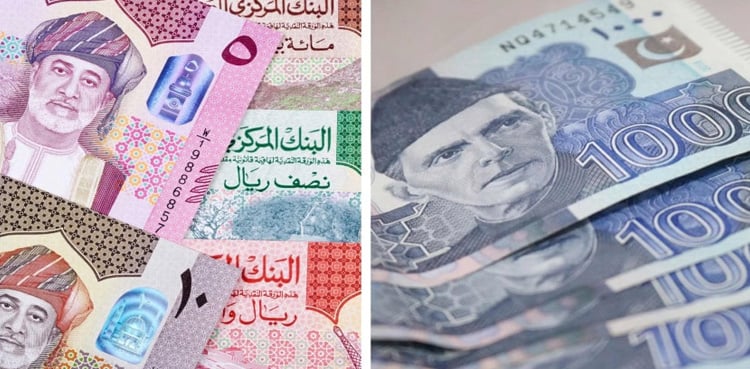
As of today, January 10, 2026, one Omani Riyal (OMR) is trading at 728.23 Pakistani Rupees (PKR), reflecting a modest dip from last week’s 728.43 PKR.
For those keeping an eye on the OMR to PKR exchange rate, this week has featured continued gentle softening, shaped by persistent low oil prices and robust remittance support bolstering the PKR. Here’s a fresh take on the key influences, a snapshot of the currencies, and how these shifts play out for people and trade between Oman and Pakistan.
The Omani Riyal (﷼) stands firm as a symbol of stability, pegged to the US Dollar at 2.6008 since 1986 and powered by Oman’s oil economy. It offers that rare sense of predictability. In contrast, the Pakistani Rupee (₨), directed by the State Bank of Pakistan, operates with more movement as a floating currency—swayed by inflation patterns, strong worker remittances, and international developments.
Over the past week, the OMR/PKR pair has eased slightly, moving from around 728.43 PKR last Saturday to today’s 728.23—a small decline of about 0.03%. The Riyal’s value remains tied to Oman’s oil exports, but Brent crude staying in the $60-63 per barrel range amid global supply concerns continues to exert mild downward pressure. For the PKR, December’s impressive $3.59 billion in remittances—led by strong flows from Saudi Arabia and the UAE, with many from Omani workers—provide vital backing, while inflation cooled further to 5.6% in December (compared to Oman’s low ~1.5%). The OMR’s dollar peg keeps it responsive to US signals. Hovering below the 50-day average near 732 PKR, the rate suggests potential for additional gradual easing unless oil sees a meaningful recovery.
These numbers hit home in practical ways. A Pakistani worker in Muscat earning 500 OMR now sends back roughly 364,115 PKR, a minor reduction but still essential for covering ongoing costs like rice amid lingering price pressures. This week’s slight drop trims remittance value just a bit, yet the steady stream from Gulf employment keeps household support solid. Bilateral trade, valued at around $1-1.2 billion yearly—with Pakistan exporting textiles and rice, Oman supplying energy—also registers these nuances. A marginally softer OMR could help ease import costs for Pakistani buyers of Omani goods, potentially offering exporters a subtle benefit. For travelers, 1,000 PKR continues to buy about 1.37 OMR for a Muscat journey, holding steady in recent times.