
LNG shortage looms for Pakistan after Qatar halts deliveries
- By Aleem Malik -
- Mar 05, 2026


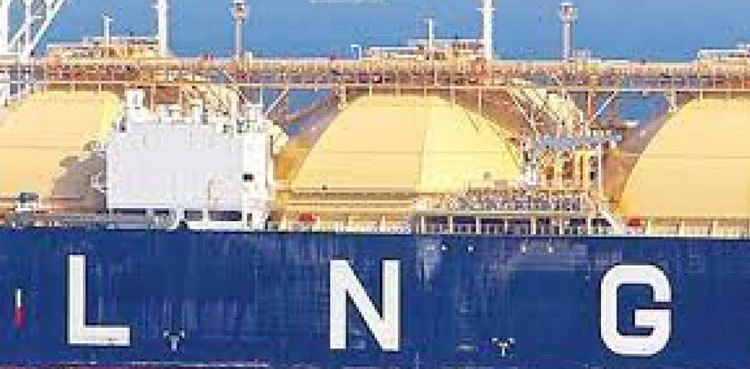
KARACHI: Pakistan has been informed by Qatar Gas that liquefied natural gas (LNG) shipments to the country will remain suspended until the ongoing conflict ends.
For March, Pakistan was scheduled to receive eight LNG cargoes from Qatar, but only two shipments have arrived so far. The remaining six were expected between March 7 and March 21, according to sources.
Officials from Pakistan’s Petroleum Division said the country will now need to carefully manage the existing LNG supply to ensure availability during this period. Authorities indicated that with proper load management between March 20 and 21, LNG might still be available, but supply to key sectors will be affected.
The shortage is expected to impact Pakistan’s industrial sector as well as other areas that rely on LNG for energy, sources added.
Pakistan continues to monitor the situation closely and is exploring measures to mitigate the disruption until Qatar resumes full LNG deliveries.
OMAP warns of possible fuel shortage across Pakistan
Earlier, the Oil Marketing Association of Pakistan (OMAP) warned that fuel supply across the country could be disrupted if issues related to product allocation by local refineries were not addressed, ARY News reported.
In a letter issued from Lahore, OMAP expressed serious concern over what it described as a deviation by local refineries from previously agreed supply commitments.
According to the letter, oil marketing companies had planned their supply operations based on assurances that domestic refineries would provide petroleum products in quantities agreed during the product review meeting.
However, the Oil Marketing Association of Pakistan said the refineries had not delivered supplies according to those commitments.
Chairman of the oil marketing companies group, Tariq Wazir Ali, said many companies had refrained from arranging imported cargo shipments after receiving assurances that local refineries would meet the required demand.
He added that refineries later introduced a new product distribution mechanism without prior coordination with oil marketing companies.
Under the new system, companies were reportedly receiving significantly smaller quantities of petroleum products than expected.
The Oil Marketing Association of Pakistan further warned that alternative supply sources were not readily available at the time, which could have created serious challenges for maintaining stable fuel availability in the market.