
Pakistan secures $3m GEF funding for marine biodiversity, sustainable fisheries
- By Web Desk -
- Feb 14, 2026


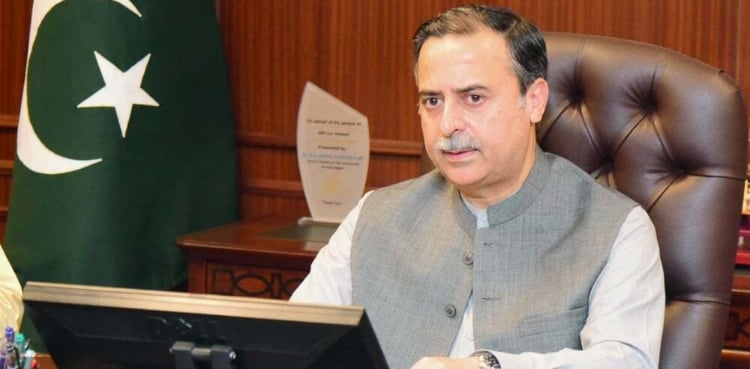
ISLAMABAD: Pakistan has secured $3 million in funding from the Global Environment Facility (GEF) to support marine conservation and overhaul fisheries management, the Federal Minister for Maritime Affairs, Muhammad Junaid Anwar Chaudhry, has announced.
In a statement issued on Saturday, 14 February 2026, Muhammad Junaid Anwar Chaudhry stated the project, titled ‘Conserving marine biodiversity by accelerating transition to sustainable and regenerative fisheries management practices’, will be implemented by the Ministry of Maritime Affairs.
Muhammad Junaid Anwar Chaudhry said that $1.2 million of the grant from the GEF Trust Fund will be used for biodiversity-focused interventions, while $1.8 million will target land degradation affecting coastal and marine ecosystems.
GEF supports initiatives in biodiversity, climate change, international waters, land degradation, chemicals and waste, and sustainable forest management as the financial mechanism for major conventions including the UN Framework Convention on Climate Change (UNFCCC), Convention on Biological Diversity (CBD), and others.
The Federal Minister Junaid Chaudhry also highlighted the fisheries sector challenges, which contribute about 1 percent to Pakistan GDP.
He said overfishing, illegal and unreported practices, and significant post-harvest losses are straining marine ecosystems and limiting economic returns.
There are currently 701 boats involved in tuna fishing, most of them artisanal, with a smaller number operating on a semi-industrial scale.
Junaid Chaudhry has said that the use of unselective fishing methods and inadequate onboard storage has resulted in high waste levels and lost market opportunities.
Pakistan, a key player in the Indian Ocean Tuna Commission (IOTC) and aligned with G16 like- minded coastal states, struggles with unreliable data, weak regulations, and over 70 unofficial landing sites that hinder monitoring, control, and policy-making.
The new program aims to improve data collection, reform fisheries policy, strengthen infrastructure and build institutional capacity. It also seeks to enhance market access and promote transparency and better management.
It builds on commitments like reducing fishing effort, declaring Marine Protected Areas, and cutting bycatch, while advancing traceability and practices Junaid Chaudhry added.
Despite progress, persistent issues like overfishing, losses, and non-compliance demand urgent action. The minister emphasized that the initiative fills critical gaps, modernizes the sector, improves fisherfolk livelihoods, and boosts international effectiveness.
Addressing these will meet national and global commitments, delivering environmental benefits he noted. This recognizes fisheries’ economic role and catalyzes transformation for ecological integrity and socio-economic development, aligned with policy frameworks for maximum impact.