
People are inhaling surging levels of microplastics just by breathing air in cities
- By Kumail Shah -
- Jan 13, 2026


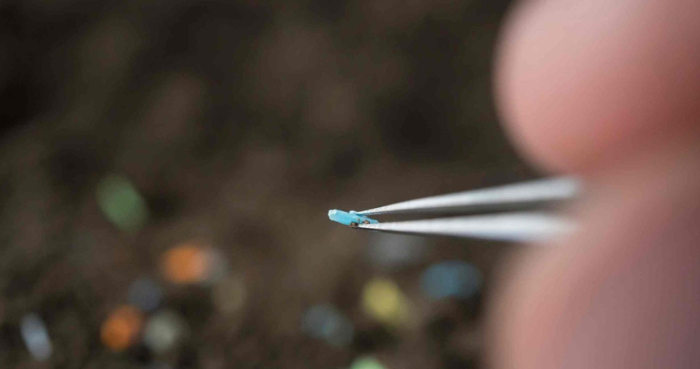
Microplastic air pollution in Xi’an, China, has dramatically increased, with levels tripling following the emergence of the COVID-19 pandemic, according to a recent study.
Led by Fobang Liu at Xi’an Jiaotong University, researchers analyzed PM2.5 samples, fine airborne particles that can deeply penetrate the lungs, collected both before and after 2020. Pre-2020 air filters contained a variety of colored plastics from typical sources like tires and clothing. However, a significant change was observed in post-2020 samples after face masks became commonplace.
The new dominant pollutant was transparent and white polypropylene fibers, matching the material used in disposable face coverings. The study suggests a concerning environmental legacy: discarded masks, whether littered or broken down by factors like ozone and sunlight, are releasing these microscopic fibers into the air.
The health implications are important. Using particle dosimetry to model inhalation, researchers found that these fibers avoid natural defenses. While some drop in the nose and throat, others travel into the branching tracheobronchial airways and the deep pulmonary region.
Modeling specifically underlined that teenagers and younger individuals were more sensitive to particle deposition in these critical lung areas.
This airborne intake adds to the existing exposure that humans already experience. Although researchers are still investigating the connection between specific particle counts and concrete health outcomes, inhaled microplastics can trigger inflammation and may carry toxic chemicals or potentially harmful microbes.
The issue is heightened by gaps in waste management. According to data from the World Health Organization, one in three health facilities lacks safe waste protocols, allowing lightweight plastics to escape from landfills. Once outdoors, wind and traffic break this litter into fine dust.
The Xi’an findings highlight that pandemic hygiene habits have fundamentally changed urban air quality. To ease what citizens inhale, researchers argue for stricter waste disposal protocols, improved street cleaning, and better toxicology tests to finally determine harmless fibers from harmful zones.