
Pakistan says petrol stocks stable, supply chains functioning smoothly
- By Web Desk -
- Mar 10, 2026


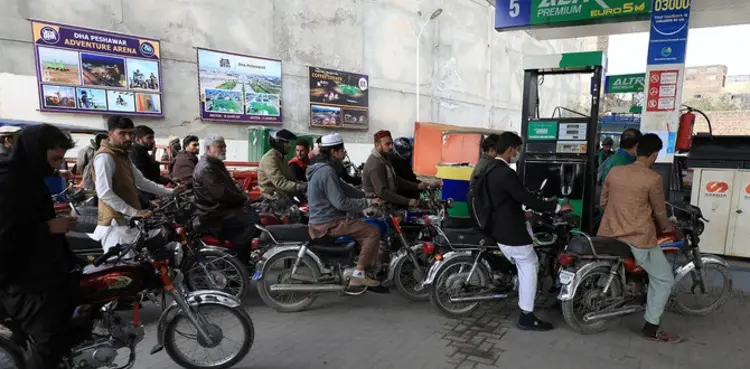
ISLAMABAD: The government of Pakistan has reassured citizens that national petrol supplies remain stable despite recent global energy market volatility.
The Committee to Monitor Petrol Prices in the Wake of the Emerging Situation in the Region, constituted by the Prime Minister of Pakistan and chaired by the Federal Minister for Finance and Revenue, Senator Muhammad Aurangzeb, continued its daily review of developments in the energy sector and assessed national preparedness measures in light of the evolving regional situation.
In a statement on Monday, it was said that the committee reviewed national inventories of crude oil and refined petroleum products, ongoing imports, and supply chain logistics, including shipments currently en route and additional cargoes being arranged to bolster reserves.
The Committee noted with satisfaction that petroleum product stocks remain at comfortable levels and supply chains are functioning smoothly, with multiple cargoes and import arrangements in place to ensure continuity of supply in the coming weeks.
The Committee reviewed international market indicators, including benchmark crude movements and refined product price trends, and assessed possible scenarios for global energy markets.
The committee also analysed recent global trends in crude and refined petroleum product prices, which have been highly volatile due to geopolitical developments in the region.
It was noted that the Government is closely monitoring international price developments and undertaking continuous scenario planning to safeguard domestic energy security and economic stability.
The meeting further reviewed logistical and operational arrangements for crude imports, refinery operations, and maritime transportation, including coordination with international suppliers and shipping arrangements.
Relevant authorities briefed the Committee on steps being taken to facilitate cargo movements and ensure the uninterrupted functioning of refineries and supply infrastructure.
The Committee emphasized the importance of maintaining optimal refinery throughput and seamless coordination among all stakeholders to sustain national fuel availability.
In addition to supply-side measures, the Committee was also presented with a range of targeted energy conservation and demand management options aimed at reducing pressure on fuel imports during periods of global volatility.
Various measures relating to efficient fuel consumption, operational adjustments, and public sector conservation initiatives
were reviewed.
It was noted that responsible consumption and targeted conservation could generate meaningful savings in fuel imports while supporting national economic stability.
During the meeting, the Committee also took note of operational issues raised by stakeholders from the aviation and logistics sectors and directed the relevant authorities to undertake a detailed review of the matter and present a
comprehensive assessment at the next meeting.
The Committee also reviewed coordination mechanisms with provincial governments to ensure effective monitoring of petroleum product availability and prevent any disruptions in supply.
Provinces briefed the Committee on ongoing enforcement measures and inspections at petrol pumps, while federal authorities updated the participants on the development of an integrated monitoring dashboard to further enhance real-time visibility of stock levels and retail supply conditions across the country.
Chairing the meeting, Finance Minister Senator Muhammad Aurangzeb noted that while global energy markets are currently experiencing heightened volatility, Pakistan’s supply position remains stable and well-managed due to proactive planning and close inter-ministerial coordination.
The Finance Minister further stated that the Committee will continue to closely monitor developments in international energy markets, domestic stock positions, and supply chain dynamics on a daily basis to ensure timely and coordinated policy responses.