
PIA Privatisation: All You Need To Know
- By Dr Umar Islam -
- Dec 24, 2025


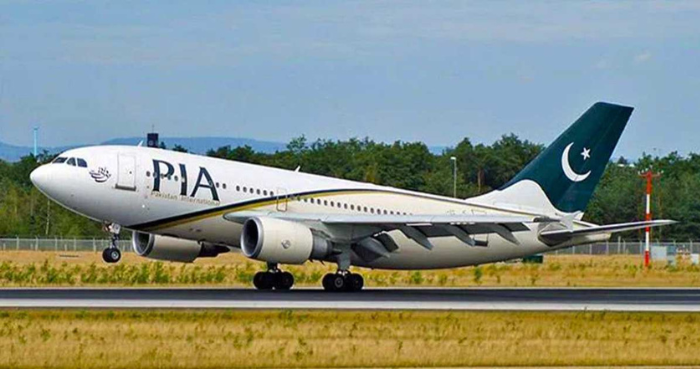
In the ever-evolving landscape of Pakistan’s economy, PIA Privatisation stands out as a landmark event. Pakistan International Airlines (PIA), the national flag carrier, has long been a symbol of the country’s aviation ambitions but has also grappled with mounting losses and operational inefficiencies. The PIA Privatisation process, culminating in late 2025, marks the first major privatisation in Pakistan in nearly two decades, aiming to revitalize the airline and relieve the government of its financial burden. This comprehensive guide delves into every detail of PIA Privatisation, from its inception to the final bid, including a chronological timeline of key events.
Understanding PIA Privatisation: Why It Matters
PIA Privatisation refers to the government’s decision to sell a majority stake in Pakistan International Airlines to private investors. The move is part of broader economic reforms, driven by pressures from international bodies like the International Monetary Fund (IMF) to reduce fiscal deficits. PIA has accumulated billions in losses annually, costing taxpayers around Rs35 billion each year. By privatising, the government seeks to inject fresh capital, improve efficiency, and restore the airline’s competitiveness in the global aviation market.
The privatisation framework involves selling 75% of PIA’s shares initially, with the buyer having the option to acquire the remaining 25% later. This structure ensures that the new owners commit to long-term investments, estimated at an additional Rs125 billion to turnaround the airline. The deal is expected to generate Rs55 billion in total economic value for the exchequer, including Rs10 billion in immediate cash and Rs45 billion in equity.
The Timeline of PIA Privatisation: What Happened When
The journey toward PIA Privatisation has been protracted, with multiple attempts over the years. Here’s a detailed chronology based on official and reported events.
Early 2000s to 2010s: Initial Attempts and Setbacks. Privatisation efforts for PIA began in the early 2000s under previous governments, but faced resistance from unions, political opposition, and bureaucratic hurdles. In 2016, the Pakistan Muslim League-Nawaz (PML-N) government attempted to privatise PIA, but protests and legal challenges halted progress. During 2013-2017, similar initiatives were derailed by opposition from parties like the Pakistan Peoples Party (PPP).
2024: Renewed Push Amid IMF Commitments. In 2024, the government recommitted to PIA Privatisation as part of an IMF bailout package. The auction was initially scheduled for October 1, 2024, with six pre-qualified bidders, including Fly Jinnah and Air Blue Limited. However, delays pushed the timeline forward.
April 2025: Timeline Extension Announced. By April 2025, the government acknowledged it would miss the IMF’s July 2025 deadline, extending the process to December 2025. This extension allowed for more thorough due diligence and bidder preparation.
July 2025: Pre-Qualification of Bidders. The Privatisation Commission Board prequalified four investors for the bidding process, marking significant progress. These included prominent groups like Arif Habib Corporation and Lucky Group.
November 2025: Accelerated Preparations. In November, the National Assembly Standing Committee on Privatisation demanded a clear timeline. Officials targeted a mid-December auction, with the process gaining momentum amid calls for transparency.
December 2025: The Final Bidding and Outcome. The bidding war unfolded on December 23, 2025, in a televised auction. A consortium led by Arif Habib Corporation emerged as the highest bidder, offering Rs135 billion for a 75% stake. Competitors included Lucky Group, but Arif Habib outbid them. The deal was finalized amid celebrations from government officials, with Prime Minister Shehbaz Sharif congratulating the nation.
On December 24, 2025, advisers confirmed that the new owners would take operational control by April 2026, subject to approvals from the Privatisation Commission board and cabinet. The process included consultancy fees to Ernst & Young totaling around Rs2.9 billion for financial advisory services.
This timeline highlights the shaky yet determined path of PIA Privatisation, influenced by economic necessities and political dynamics.
Key Details of the PIA Privatisation Deal
Bid Amount and Structure. The winning bid of Rs135 billion translates to approximately $500 million. Of this, 92.5% of proceeds from the 75% stake go to debt repayment, with the government retaining a 25% stake initially. The buyer has a call option on the remaining shares, ensuring further investment.
Bidders and Competition. Four consortiums participated in the final phase. Arif Habib’s group, known for investments in finance and aviation, won after a competitive process.
Financial Implications. PIA’s fleet includes about 18 planes in service out of 30, with wide-body aircraft leased. The privatisation is projected to save Rs35 billion annually and inject Rs125 billion for revival.
Transparency and Accountability. Government officials emphasized transparency, with the process guided by the Privatisation Commission. Critics, however, questioned the low cash component, likening it to undervalued sales.
Challenges Faced During PIA Privatisation
PIA Privatisation wasn’t without hurdles. Bureaucracy was blamed for the airline’s decline, with calls for accountability. Employee unions opposed the move, fearing job losses. Additionally, PIA’s staggering losses—billions annually—made it a “white elephant” for the state. Geopolitical factors, like the EU ban on PIA flights due to safety concerns, added complexity, though recent lifts signal improvement.
The Future of PIA Post-Privatisation
With new ownership from April 2026, PIA is expected to receive fresh capital for fleet upgrades and operational efficiency. Civil Aviation Authority chief Nadir Shafi Dar views it as a major turnaround for Pakistan’s aviation sector. The privatisation signals broader reforms, potentially paving the way for other state-owned enterprises.
A Brief History of PIA
Pakistan International Airlines traces its roots to Orient Airways, established in 1946 shortly before Pakistan’s independence. In 1955, the government merged it with a new entity to form PIA, making it the national flag carrier. Under visionary leadership, PIA pioneered milestones: it became the first Asian airline to operate jet aircraft (Boeing 707) in 1960 and the first non-communist carrier to fly to China in 1964.
The 1960s and 1970s were PIA’s golden era, with rapid expansion, innovative routes, and a reputation for excellence. However, from the 1980s onward, political interference, overstaffing, and mismanagement led to chronic losses. By the 2020s, PIA faced bans from international regulators and mounting debt, setting the stage for privatisation. Today, PIA operates from hubs in Karachi, Lahore, and Islamabad, serving domestic and international destinations.
PIA Privatisation represents a pivotal chapter in Pakistan’s economic narrative, blending reform with revival. As the airline embarks on this new journey, stakeholders hope it regains its former glory.