
Plastic pollution is fueling toxic algae blooms, study finds
- By Web Desk -
- Feb 02, 2026


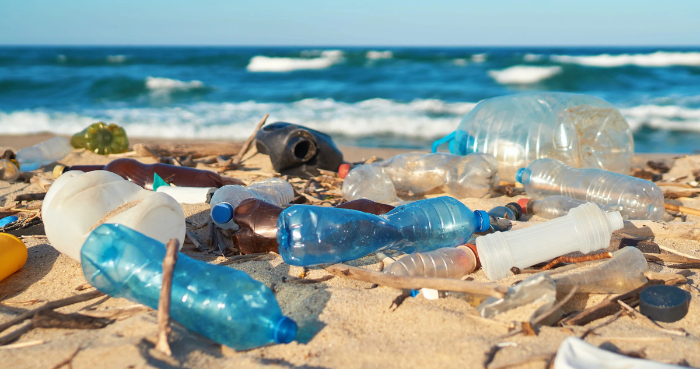
Toxic algae blooms, often referred to as “red tides,” are an escalating global crisis. They are leading to beach closures and the death of marine life from Australia to the Arctic. While scientists have traditionally blamed agricultural runoff for these outbreaks, a new study from the University of California, San Diego, reveals an unexpected contributor: plastic pollution.
Research published in Communications Sustainability indicates that petroleum-based microplastics are exacerbating these blooms—not by feeding the algae, but by decimating their natural predators.
In a three-month experiment across 30 pond ecosystems, researchers compared the effects of standard fossil-fuel plastics with those of new biodegradable alternatives. The results were striking. In tanks containing regular petroleum-based plastic, the populations of zooplankton—tiny aquatic animals that consume algae—collapsed almost immediately.
“The petroleum plastic seemed to have a strong negative effect on the zooplankton populations,” said Scott Morton, the first author of the study and a Biological Sciences graduate student.
“They seemed to either die off or reduce their reproduction very quickly. Bioplastic didn’t have the same effect. That cascades down to the algae. In the petroleum tanks, fewer zooplankton consuming all that algae means you have more in the system, and that leads to the algal blooms that we saw.”
Without these microscopic grazers to keep them in check, algae populations skyrocketed.
The study provided a glimmer of hope; tanks filled with plant-based biodegradable plastics did not harm zooplankton populations. This allowed these tiny creatures to continue consuming algae. As a result, the balance in the ecosystem was maintained.
“Our results indicate that microplastics may tip the balance of conditions in favor of algal blooms,” the authors conclude in their study.
“These results collectively illustrate that microplastics, particularly petroleum-derived plastics, may destabilize microbial community structure and function.”
The findings indicate that plastic waste entering our oceans is destabilizing aquatic communities in ways that we are only beginning to understand. As co-author Michael Burkart pointed out, transitioning to materials designed to biodegrade could be crucial. This change may reduce these “ecological and health hazards.”