
SAR to PKR: Saudi Riyal to Pakistani Rupee Rate- Nov. 11, 2025
- By Web Desk -
- Nov 11, 2025


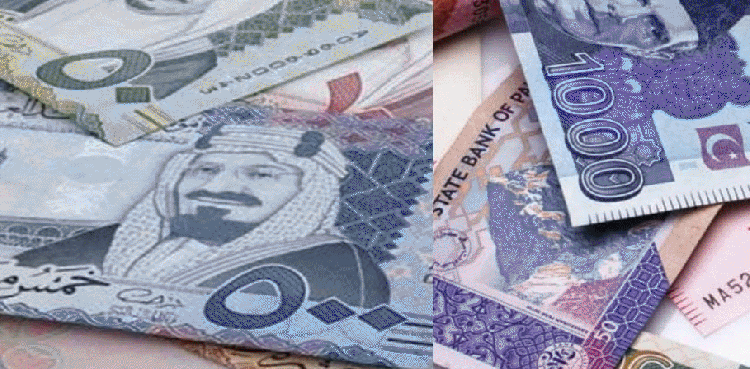
KARACHI – In a significant currency market development on November 11, 2025, the Saudi Riyal exchange rate against the Pakistani Rupee declined to Rs74.94 in the open market, marking a substantial decrease from the previous day’s rate of Rs75.36, according to local currency dealers.
The selling rate settled at Rs75.51, representing a notable shift from the July 28, 2025 high of Rs76.03. This adjustment reflects ongoing market dynamics and sustained remittance flows that continue to shape Pakistan’s forex landscape.
The Critical Role of Saudi Riyal in Pakistan’s Financial Ecosystem
The Saudi Riyal serves as an essential economic lifeline for countless Pakistani households, facilitating the transfer of hard-earned income from expatriate workers employed across Saudi Arabia’s construction, healthcare, and hospitality industries. Recent data from the State Bank of Pakistan reveals that Saudi Arabia contributed $913.3 million to Pakistan’s remittance receipts in May 2025 alone—representing the highest share among all source countries.
Between July 2024 and May 2025, Pakistan recorded total remittance inflows of $34.9 billion, reflecting an impressive 28.8% year-on-year growth. With today’s exchange rate at Rs74.94 per Saudi Riyal, every 1,000 SAR now converts to Rs74,940—down from Rs75,360 the previous day. This fluctuation directly affects household finances, influencing spending capacity on critical needs including education, healthcare, and daily living expenses.
Economic Consequences of the SAR-PKR Exchange Rate Movement
The Saudi Riyal’s depreciation to Rs74.94 against the Pakistani Rupee carries both immediate and long-term economic implications across multiple sectors:
For Pakistani Households: The reduced conversion rate diminishes the purchasing power of remittances, creating budget constraints for families already navigating inflationary pressures and increasing cost of living.
For Import-Dependent Businesses: Companies importing petroleum products and petrochemicals from Saudi Arabia gain relief from the Riyal’s dollar-linked stability, as the lower exchange rate reduces import expenses and supports Pakistan’s trade balance optimization.
For Macroeconomic Stability: The Saudi Riyal’s consistent performance strengthens Pakistan’s foreign exchange reserves, which exceeded $11 billion in October 2024. This reserve accumulation supports inflation management strategies and enhances debt servicing capabilities. Additionally, a relatively weaker Rupee improves export competitiveness, contributing to Pakistan’s economic recovery efforts.
Saudi Riyal and Pakistani Rupee: Currency Fundamentals
The Saudi Riyal (SAR), subdivided into 100 halala, functions as the official currency of Saudi Arabia under the supervision of the Saudi Central Bank. Its US dollar peg provides exchange rate stability, making it a preferred currency for international remittances and bilateral trade—particularly benefiting Pakistani expatriates working in the Kingdom.
The Pakistani Rupee (PKR), denoted by the symbol ₨, has served as Pakistan’s national currency since 1948. The State Bank of Pakistan manages the Rupee under a managed floating exchange rate system, where its value responds to various economic indicators including inflation rates, trade balance dynamics, and remittance inflows. The SAR-PKR exchange rate consequently reflects these complex market forces and bilateral economic relationships.
Future Trends in Saudi Riyal to Pakistani Rupee Exchange Rate
The current decline in the Saudi Riyal exchange rate to Rs74.94 indicates ongoing market recalibrations influenced by sustained remittance channels and robust trade relations between Pakistan and Saudi Arabia. Financial market participants, importers, and economic policymakers should monitor these developments closely, as such exchange rate movements influence remittance values, import pricing structures, and broader economic planning.
For millions of Pakistani families dependent on Saudi-based income, the Riyal’s historically stable value continues to provide financial security, supporting household economies and contributing to Pakistan’s overall economic resilience.
Data Sources: State Bank of Pakistan, Forex Association of Pakistan