
Saudi Riyal to Pakistani Rupee Rate Today- 24 Nov. 2025
- By Web Desk -
- Nov 24, 2025


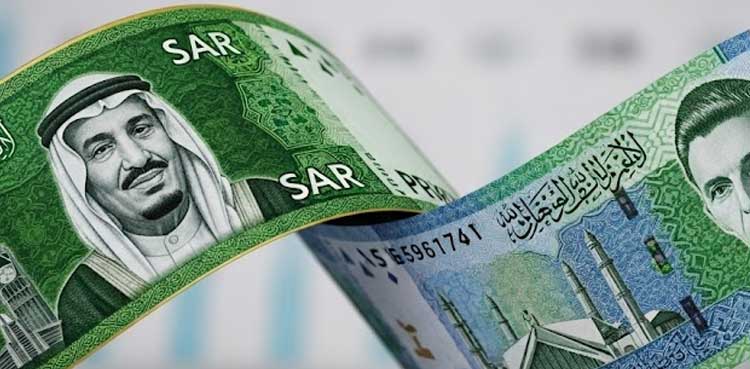
Islamabad, November 24, 2025 – In a welcome rebound for millions of Pakistani workers in the Kingdom of Saudi Arabia, the Saudi Riyal (SAR) edged higher against the Pakistani Rupee (PKR) on Monday, closing the day at 74.90 PKR per SAR in interbank trading.
This marks a modest recovery from last week’s lows, offering a slight boost to remittance inflows that form a lifeline for countless families back home.The current exchange rate of 74.90 PKR per SAR reflects a 0.18% increase from Friday’s close of 74.76 PKR, according to data from the State Bank of Pakistan and major forex platforms. Over the past week, the SAR/PKR pair has fluctuated narrowly between 74.76 and 74.84, with today’s rate representing the highest point since November 18. This uptick comes amid steady oil prices and seasonal Hajj-related fund transfers, providing some stability in a volatile global forex market.
However, when viewed against the broader monthly trend, the Riyal has softened considerably. Last month, in October 2025, the average SAR to PKR rate hovered around 75.37, with peaks touching 75.70 on several occasions. The dip to 74.90 today signals a roughly 0.6% depreciation of the SAR relative to the PKR over the past 30 days, driven by Pakistan’s improving current account balance and a marginally stronger Rupee bolstered by IMF support.From a valuation standpoint, the SAR/PKR pair is trading near its 30-day low of 74.82, suggesting the Riyal may be undervalued against the Rupee based on purchasing power parity (PPP) metrics and recent economic fundamentals.
Analysts at Exchange Rates UK note that the pair’s year-to-date average stands at 75.10, implying room for appreciation if Saudi Arabia’s non-oil GDP growth—projected at 4.4% for 2025—gains further traction. Short-term technical indicators, including a bullish crossover on the 50-day moving average, point to potential upside toward 75.20 in the coming weeks.The implications for Pakistan’s economy are twofold. On the positive side, a marginally stronger Pakistani Rupee eases import costs for essentials like Saudi-sourced petroleum products, potentially curbing inflation pressures that have lingered above 10% this year.
Yet, the softer Riyal spells caution for remittances, which totaled over $7 billion from Saudi Arabia in FY2025—accounting for nearly 20% of Pakistan’s total inflows. A sustained decline could shave 1-2% off the real value of these transfers, straining household spending in remittance-dependent regions like Punjab and Khyber Pakhtunkhwa.
Market watchers remain optimistic, citing upcoming OPEC+ decisions and Pakistan’s $1.2 billion Saudi deposit renewal as catalysts for stabilization.