
Scientists create biodegradable chips to fight e-waste and air pollution
- By Web Desk -
- Feb 03, 2026


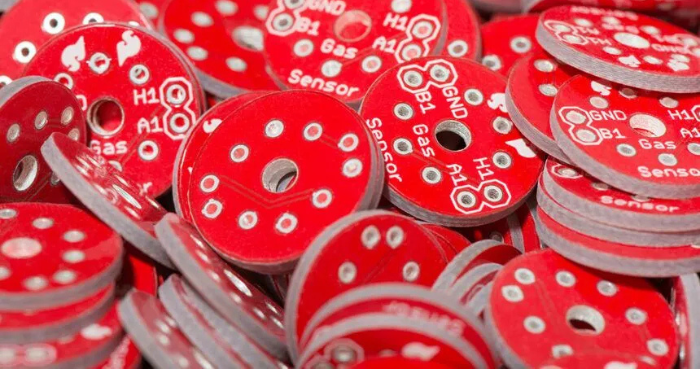
A research team led by Professor Yeong-Don Park at Incheon National University has developed a high-performance, biodegradable gas sensor.
This breakthrough addresses two key issues: electronic waste reduction and improved air quality monitoring. Designed for durability and environmental friendliness, these sensors are suitable for both large-scale and disposable applications.
The technology utilizes organic field-effect transistors (OFETs), which are promising for portable gas detection due to their lightweight nature, flexibility, and ease of manufacture. They are designed to detect pollutants like nitrogen dioxide (NO₂)—a harmful byproduct of burning fossil fuels linked to respiratory illnesses such as asthma and bronchitis.
Currently, a major drawback of these organic sensors is performance degradation caused by exposure to moisture and oxygen, which also significantly contributes to electronic waste.
To combat this, the Incheon team combined two types of polymers: P3HT, an organic semiconductor, and PBS, a biodegradable material. They prepared solutions of these polymers in chloroform independently or in a mixture of chloroform and dichlorobenzene.
The process involved applying the polymer solutions to silicon surfaces to create the sensors. The solvent choice significantly influenced the resulting organization of the polymers. Sensors created using chloroform alone were less durable and had uneven surfaces. Conversely, sensors made with the combination of chloroform and dichlorobenzene were far more effective, featuring smooth, even surfaces—even when incorporating a high concentration of PBS.
Increasing the proportion of PBS (polybutylene succinate) during testing resulted in the sensors becoming more porous and readily biodegradable in seawater. Both versions of the sensors demonstrated increased sensitivity to pollutants, including nitrogen dioxide (NO₂), sulfur dioxide (SO₂), and carbon dioxide (CO₂). Notably, the sensors fabricated with the mixed solvent maintained their stability even when the PBS content reached up to 90 percent.
Professor Park stated, “Our eco-friendly sensors combine sustainability with high performance. They could be used widely or disposed of safely. This helps reduce electronic waste, especially in natural environments like oceans.”
Biodegradable sensors are poised to become vital for future environmental monitoring. This research highlights their potential to safeguard both planetary health and public well-being.