
Australia's social media ban for children takes effect in world first
- By Reuters -
- Dec 09, 2025


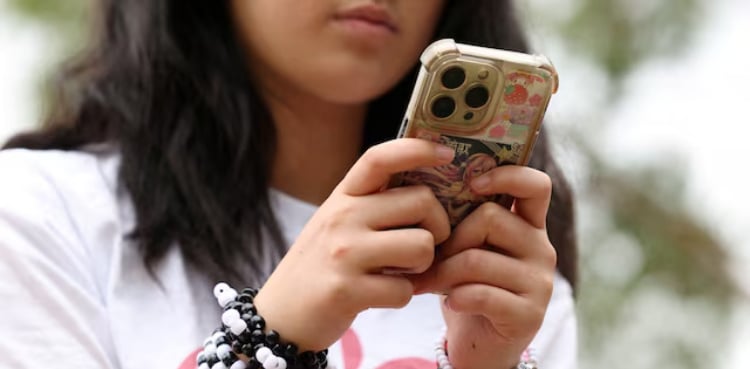
Australia has become the first country to ban social media for children under 16, blocking access to platforms including TikTok, Alphabet’s YouTube and Meta’s Instagram and Facebook from midnight.
Ten of the biggest platforms were ordered to block children from midnight on Wednesday (1300 GMT on Tuesday) or face fines of up to A$49.5 million ($33 million) under the new law, which drew criticism from major technology companies and free speech advocates, but was welcomed by parents and child advocates.
The ban is being closely watched by other countries considering similar age-based measures amid growing concerns about the impact of social media on children’s health and safety.
In a video message that Sky News Australia said would be played in schools this week, Prime Minister Anthony Albanese said the ban aimed to support young Australians and ease the pressure that can come from endless feeds and algorithms.
“Make the most of the school holidays coming up. Rather than spending it scrolling on your phone, start a new sport, learn a new instrument, or read that book that has been sitting there for some time on your shelf,” he said.
“And importantly, spend quality time with your friends and your family, face to face.”
AUSTRALIA COULD SET PRECEDENT
The rollout ends a year of speculation about whether a country can block children from using technology embedded in modern life.
It also begins a live experiment that will be studied globally by lawmakers frustrated by what they say is a tech industry too slow to implement harm-reduction measures.
“While Australia is the first to adopt such restrictions, it is unlikely to be the last,” Tama Leaver, a professor of internet studies at Curtin University, said.
“Governments around the world are watching how the power of Big Tech was successfully taken on. The social media ban in Australia … is very much the canary in the coal mine.”
Governments from Denmark to Malaysia – and even some states in the U.S., where platforms are rolling back trust and safety features – say they plan similar steps, four years after a leak of internal Meta documents alleged the company knew its products contributed to body image problems among teenagers. Meta has said it has tools to protect children.
BAN COMES AS SOCIAL MEDIA USE STAGNATES
The ban initially covers 10 platforms, but the government said the list would change as new products emerge and young users switch to alternatives.
Of the initial 10, all but Elon Musk’s X have said they will comply using age inference – guessing a person’s age from their online activity – or age estimation, which is usually based on a selfie. They might also check with uploaded identification documents or linked bank account details.
Musk has said the ban “seems like a backdoor way to control access to the internet by all Australians” and most platforms have complained that it violates people’s right to free speech. An Australian High Court challenge overseen by a libertarian state lawmaker is pending.
For social media businesses, the implementation marks a new era of structural stagnation as user numbers flatline and time spent on platforms shrinks, studies show.
Platforms say they earn little from advertising to under-16s, but warn the ban disrupts a pipeline of future users. Just before the ban took effect, 86% of Australians aged eight to 15 used social media, the government said.
Some youngsters have warned the social media ban could isolate people.
“It’s going to be worse for queer people and people with niche interests I guess because that’s the only way they can find their community, and some people also use it to vent their feelings and talk to people to get help… So I feel like it’ll be fine for some people, but for some people it’ll worsen their mental health,” said 14-year-old Annie Wang ahead of the ban.