
TCP Sets Nov 28 deadline for 100,000-ton rice export to Bangladesh
- By Web Desk -
- Nov 24, 2025


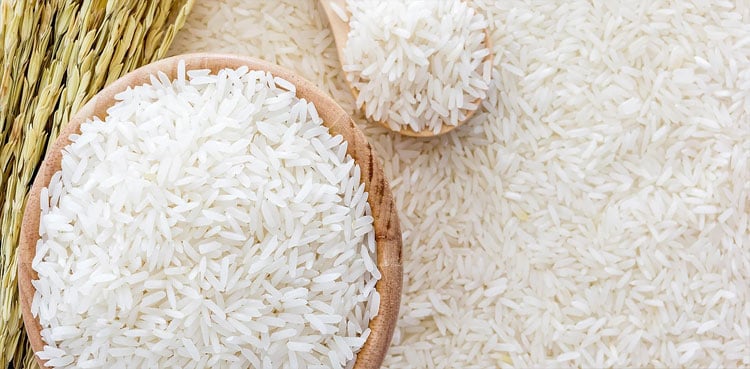
ISLAMABAD: The Trading Corporation of Pakistan (TCP) on Monday issued a tender to export 100,000 tons of rice to Bangladesh, ARY News reported.
The TCP has set November 28 as the last date for the submission of bids.
As per the tender notice, IRRI-6 long-grain white rice will be exported. The rice will be exported from Karachi ports as break bulk cargo.
The bidding will be for a minimum of 25,000 tons to a maximum of 100,000 tons.
According to the tender notice, the rice must be declared ready for shipment for a period of 45 days.
The tender includes the condition that the rice must be fresh from the Pakistani crop and fit for human consumption.
Earlier, Pakistan’s rice exports to China recorded robust growth in the first eight months of 2025, rising around 70% year-on-year, according to data from the General Administration of Customs of China.
From January to August 2025, Pakistan exported rice worth USD 44.31 million to China, compared with USD 26.30 million during the same period last year, marking a 68.5% increase.
The surge highlights Pakistan’s expanding presence in China’s food market and the strengthening of agricultural cooperation between the two countries.
An official from Pakistan’s Ministry of Commerce said that a significant contributor to this increase was semi- or wholly-milled rice (HS code 10063020), which reached USD 33.67 million in 2025, compared with just USD 5.63 million in the corresponding period of 2024.
Broken rice also performed strongly, rising to USD 7.71 million between January and August this year.
Analysts note that the growing demand for Pakistani rice reflects its strong competitiveness in terms of quality, taste, and pricing.
Enhanced facilitation under the China-Pakistan Free Trade Agreement (CPFTA) and closer collaboration between exporters and Chinese importers have further accelerated the momentum.
However, Owais Mir, founder and chief executive of Dynamic Engineering & Automation (DEA), told China Economic Net that recent floods had caused significant damage to agriculture, which could negatively affect export volumes in the coming months.
He proposed that the most viable long-term solution is to shift focus from raw materials to finished or value-added products. This, he suggested, can be achieved by adopting advanced technologies such as artificial intelligence and by learning from China’s proven, results-oriented agricultural practices.