
UAE Dirham to Pakistani Rupee Rate Today- March 10, 2026
- By Web Desk -
- Mar 10, 2026


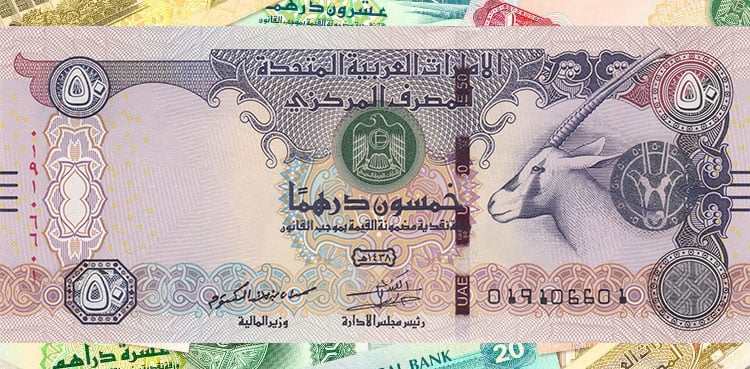
Dubai / Karachi, March 10, 2026 — The UAE Dirham (AED) is currently quoted at 75.98 Pakistani Rupees in the open market today, showing a further gentle decline of 0.08 PKR from recent trading levels. The pair has now touched one of its lowest points in the past four months, extending the calm, gradual softening pattern that has been visible since late 2025.
The steady foundation behind the number
The Dirham continues to benefit from its ironclad peg to the US Dollar at 3.6725 AED per USD — a fixed arrangement that has been in place since 1997 and still provides excellent protection against sudden swings. Meanwhile, the Pakistani Rupee has been quietly gathering strength, helped by solid foreign reserves, consistent remittance flows, and a more positive external account picture. Today’s rate of 75.98 PKR per AED reflects this ongoing rebalancing, giving a reliable and slightly more attractive conversion level for cross-border transfers.
Tangible help reaching Pakistani households
For the more than 1.5 million Pakistanis living and working in the UAE — from construction sites to offices and shops — today’s rate means every dirham sent home now converts to 75.98 PKR. Monthly remittances from the UAE consistently exceed $700 million, so even a small daily improvement adds up to real support for families paying school fees, covering medical expenses, buying groceries, settling utility bills, and handling everyday needs in Punjab, Sindh, Khyber Pakhtunkhwa, Balochistan, and other parts of the country. These funds remain a critical economic bridge, helping millions manage daily life and build toward a brighter future.
Today’s Quick Snapshot
- Current Rate: 1 AED = 75.98 PKR
- Change: −0.08 PKR (−0.10%)
- 7-day high: 76.50 PKR
- 30-day average: ~76.30 PKR
- 2025 high (July): 77.61 PKR
- 2025 low (Jan): 75.44 PKR
Most market forecasts continue to expect the AED-PKR pair to trade between 75.80 and 77.00 through the first half of 2026, with the central range around 76.10–76.60 by Q2. The UAE’s ongoing diversification into technology, renewables, logistics and tourism, combined with Pakistan’s remittance strength and reserve accumulation, should keep volatility low.