
UAE Dirham to Pakistani Rupee Rate Today- Nov. 3, 2025
- By Web Desk -
- Nov 03, 2025


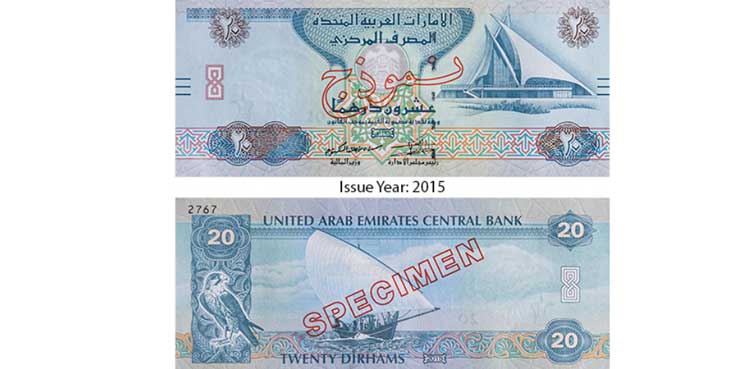
KARACHI – The UAE Dirham to Pakistani Rupee exchange rate registers at PKR 76.48 on Friday, October 31, 2025, positioning near the recent low and signaling continued Rupee strength against the Emirati currency. This rate represents a stable trading environment as October draws to a close, providing predictability for millions dependent on this vital currency corridor.
At 76.48 PKR, today’s rate positions very close to October’s recorded low of 76.504 PKR on October 24, suggesting the Pakistani Rupee has maintained strength near its best levels of the month. October witnessed a high of 77.301 PKR on October 17 and averaged 76.896 PKR across the month, placing today’s rate comfortably below these benchmarks.
The tight trading range throughout late October demonstrates market confidence and reduced volatility compared to the dramatic swings witnessed during the first quarter of 2025. For Pakistani expatriates remitting earnings home, businesses importing or exporting goods, and travelers planning trips between the two nations, this stability facilitates financial planning and reduces currency risk exposure.
Market data shows minimal day-to-day fluctuations, with the rate holding steady between 76.48 and 76.62 PKR over recent sessions. This predictable environment contrasts sharply with earlier periods of significant volatility.
Currency Fundamentals: Contrasting Monetary Frameworks
UAE Dirham: Fixed Peg Delivers Stability
The United Arab Emirates Dirham functions as the official currency of a nation that has successfully leveraged oil wealth into comprehensive economic diversification. The Central Bank of the UAE has maintained a fixed exchange rate at 3.6725 AED per US Dollar since 1997, providing exceptional stability that insulates the Dirham from regional economic turbulence. This dollar peg effectively ties the Dirham’s fate to the world’s primary reserve currency.
The UAE’s economic transformation extends well beyond petroleum. Dubai and Abu Dhabi have emerged as premier international financial centers, attracting over $20 billion in foreign direct investment during 2025. The government’s Vision 2031 program prioritizes technology, renewable energy, tourism, advanced manufacturing, and logistics as future growth engines, reinforcing economic resilience and currency strength.
This sophisticated economy makes the Dirham critically important for South Asian labor markets. The UAE employs over 1.5 million Pakistani nationals across diverse sectors including construction, hospitality, healthcare, information technology, finance, and professional services, creating substantial remittance flows that support Pakistan’s economy.
Pakistani Rupee: Market-Determined Flexibility
Pakistan’s Rupee operates under a managed float system overseen by the State Bank of Pakistan, where market supply and demand fundamentally determine the currency’s value. While the central bank intervenes during periods of excessive volatility to maintain orderly conditions, the Rupee generally adjusts freely to changing economic circumstances.
This flexibility allows the currency to respond to Pakistan’s trade balance, foreign exchange reserve levels, inflation rates, remittance inflows, global commodity prices—particularly oil—and investor sentiment regarding political and economic stability. The Rupee’s value reflects Pakistan’s economic realities, including persistent challenges such as elevated inflation, substantial external debt servicing requirements, and recurring balance of payments pressures.
Pakistan’s economy features textiles and agriculture as traditional pillars, alongside expanding services, manufacturing, and technology sectors. The currency’s performance against stable counterparts like the Dirham provides important signals about Pakistan’s macroeconomic health and external sector sustainability.