
UAE Dirham to Pakistani Rupee Rate Today- September 3, 2025
- By Web Desk -
- Sep 03, 2025


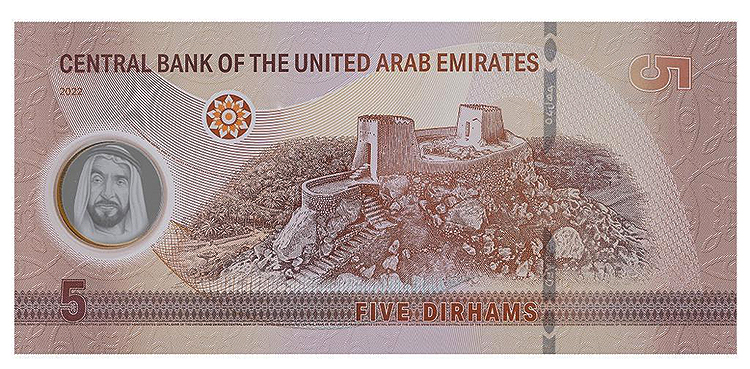
Dubai/Karachi- September 3, 2025: The UAE Dirham (AED) has ticked upward to 76.74 Pakistani Rupee (PKR) today, a slight increase of 0.02 PKR from yesterday’s rate of 76.72 PKR, according to reliable financial sources monitoring interbank and open market rates.
AED to PKR- Daily Updates
This uptick follows a strong June, when the AED climbed 0.81 PKR, from 76.44 PKR to 77.25 PKR, hitting a high of 77.6111 PKR on July 1, 2025. The Dirham’s resilience underscores the United Arab Emirates’ dynamic economic policies and its status as a global financial powerhouse. However, Pakistan’s devastating 2025 flood crisis, with over 800 lives lost and 1.2 million people affected, amplifies the economic stakes of this exchange rate.
The UAE Dirham, adopted in 1973 as the UAE’s official currency, is pegged to the US Dollar at a fixed rate of 3.6725 AED to 1 USD, overseen by the Central Bank of the UAE. This peg ensures the AED’s stability, making it a trusted currency for global commerce across the UAE’s seven emirates, from Dubai’s thriving markets to Abu Dhabi’s cultural hubs. Conversely, the Pakistani Rupee, Pakistan’s currency since 1948, operates as a floating currency under the State Bank of Pakistan, vulnerable to swings driven by domestic economic strain, global market dynamics, and geopolitical factors. The ongoing floods, ravaging Punjab, Khyber Pakhtunkhwa, Sindh, Balochistan, and Gilgit-Baltistan, further destabilize the PKR, with economic losses potentially hitting $50 billion.
Today’s AED-PKR rate of 76.74 PKR strengthens the economic link between the UAE and Pakistan, presenting both opportunities and hurdles amid the flood crisis. For the 1.5 million Pakistani expatriates in the UAE, the stronger Dirham boosts remittance values, which reached $717.2 million in June 2025, per State Bank of Pakistan data, making the UAE Pakistan’s second-largest remittance source after Saudi Arabia. These funds are a lifeline for flood-hit families in regions like Punjab and Sindh, funding essentials like food, shelter, and medical care. However, the higher rate increases costs for importing UAE goods, from tech gadgets to staple foods, straining Pakistani businesses and consumers already grappling with flood-driven inflation and losses. The AED’s US Dollar peg further widens Pakistan’s trade deficit and raises debt servicing costs for USD or AED loans. Experts call for
Pakistan to ramp up exports, diversify trade partners, and stabilize the Pakistani Rupee to ease these pressures, especially as flood recovery demands massive investment.
The UAE’s economic momentum continues to bolster the Dirham. By diversifying beyond oil into technology, renewable energy, and booming tourism and trade sectors, the UAE—led by global hubs like Dubai and Abu Dhabi—attracts substantial foreign investment, as World Bank reports confirm. The Central Bank of the UAE’s vigilant oversight ensures the Dirham’s reliability, cementing its role in international trade and supporting its steady performance at 76.74 PKR today.
Pakistan’s 2025 flood crisis, fueled by intense monsoon rains, glacial lake outbursts, and India’s water releases from dams like Thein and Madhopur, has claimed over 800 lives, with Khyber Pakhtunkhwa reporting 400+ deaths and Punjab evacuating 1 million people. Karachi’s urban flooding, triggered by 163 mm of rainfall, and a 7-km-long glacial lake in Gilgit-Baltistan’s Ghizer district add to the devastation.
Pakistan Currency Rates Today- Latest Updates
The NDMA has evacuated 24,000 people and set up 300+ relief camps, while groups like Alkhidmat provide critical aid. Climate change, intensifying monsoon rains by 15%, and systemic issues like poor urban planning and underfunded climate initiatives worsen the crisis, underscoring the need for resilient infrastructure and global climate finance.