
VIDEO: Why Lahore’s water is turning toxic?
- By Web Desk -
- Oct 27, 2025


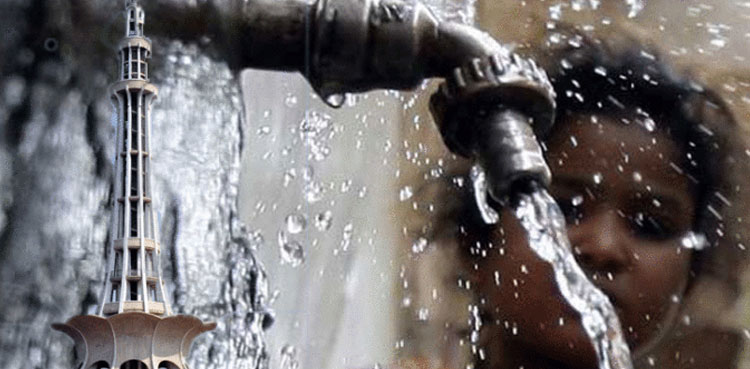
A decline in water supply from WASA has forced citizens living around Ravi River banks to depend increasingly on underground sources.
Almost every household resorting to bore wells to cater their water needs. However, experts warn that the falling water table has turned this underground supply toxic, posing a grave risk to public health.
A 2018 study revealed that Lahore’s groundwater level stood at 130 feet, but it has now dropped to 164 feet, declining by nearly 2.61 feet annually.
Residents say new bore wells dry up within months, compelling them to dig deeper each time — an expensive and unsustainable solution.
Environmental experts caution that the deeper the water is extracted, the more it becomes contaminated with harmful substances.
Reports indicate that groundwater levels in Punjab and Sindh have fallen far below the World Health Organization’s safe water standards.
Health specialists warn that this contaminated water can cause cancer, skin diseases, and diabetes, among other serious illnesses.
Locals admit that bore water is no longer safe for drinking or cooking, forcing them to buy filtered water.
Yet, even filtration plants rely on the same depleted groundwater sources — raising fears that if the aquifers run dry, the entire city could face a severe water crisis.
Officials attribute the worsening situation to rapid urbanization, population growth, and reduced rainwater absorption, which prevent groundwater recharge. As a result, the once vibrant “City of Gardens” is slowly turning into a city of thirst.