
'Weird' marine life found thriving 2 miles deep under Arctic ice
- By Web Desk -
- Dec 26, 2025


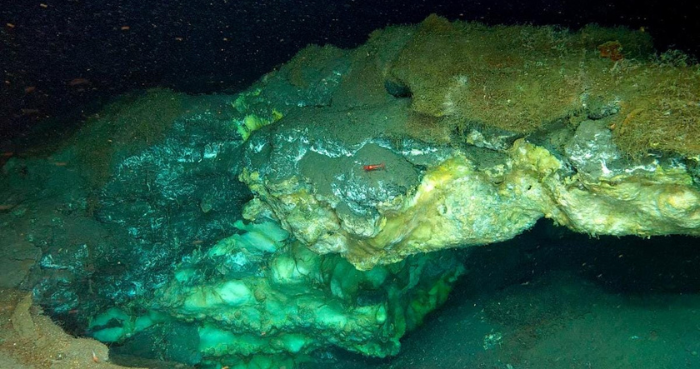
Scientists have discovered a thriving hotspot of “weird” marine life more than two miles beneath the Arctic surface, marking the deepest known example of an environment called a gas hydrate “cold seep.”
The discovery was made in the Greenland Sea during a 2024 expedition. Using a remote-controlled vehicle, researchers found the “Freya mounds,” patches of seafloor leaking methane and crude oil some 2.2 miles down. This site is more than a mile deeper than any previously documented gas hydrate.
In these deep, dark waters, life cannot depend on sunlight. Instead, the ecosystem functions as a “chemosynthetic” oasis, where organisms feed on the chemicals seeping from the seafloor. The team was surprised to find the area teeming with tubeworms, snails, crustaceans, and microbes.
“It was crazy because we saw several of these mounds… and all the organisms living there,” said lead scientist Giuliana Panieri, who recalled yelling with excitement when the first visuals arrived.
The team had targeted the area after detecting massive plumes of gas bubbles rising two miles high—the tallest such plume ever found in the ocean.
The study, published in Nature Communications, revealed a fascinating link. The organisms living at these cold seeps are closely related to those found at nearby hydrothermal vents (fissures releasing hot, mineral-rich water).
According to Jon Copley, a co-author of the study, this indicates a unique form of “ecological connectivity” in the Arctic. When thick ice sheets covered the ocean 20,000 years ago, life was able to survive by moving between these chemical oases.
This discovery is significant, especially as Norway is considering deep-sea mining plans that could put these fragile habitats at risk.
“Research has already established that hydrothermal vents must be protected from deep-sea mining,” Copley said. “Our study indicates that deep cold seeps in the Arctic will need similar protection, because they are part of the same web of life.”
Researchers emphasized that the ocean floor remains largely unknown, and destroying these sites for resources could wipe out species we are only just beginning to understand.