
World Bank projects Pakistan's GDP growth at 3% for FY26 amid flood impacts
- By Web Desk -
- Oct 28, 2025


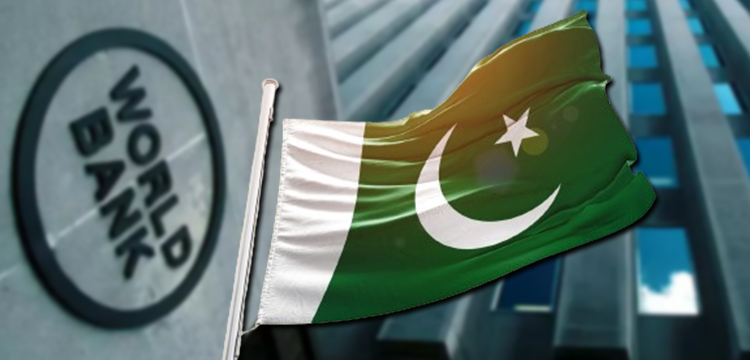
ISLAMABAD: The World Bank has projected Pakistan’s gross domestic product (GDP) growth at 3 percent for the fiscal year ending June 2026, citing the lingering impacts of recent floods on the agriculture sector.
In its October 2025 Pakistan Development Update, titled “Staying the Course for Growth and Jobs,” the Bank noted that Pakistan’s economy grew by 3.0 percent in FY2025, up from 2.6 percent the previous year, reflecting a recovery in industrial activity and an expansion in the services sector.
The report said fiscal consolidation and prudent monetary policy had helped anchor inflation and sustain external and fiscal balances despite a challenging domestic and global environment. Improved business confidence supported growth in industry and services, though agriculture lagged due to adverse weather and pest infestations.
However, the World Bank cautioned that the recent floods had caused widespread human and economic losses, damaging infrastructure and agricultural land and dampening the short-term growth outlook.
“Pakistan’s recent floods have imposed significant human costs and economic losses, dampening growth prospects, and adding pressure on macroeconomic stability,” World Bank Country Director for Pakistan during a media briefing at the report launch.
She said staying the course on reforms and accelerating job creation was critical to maintaining growth along with strengthening social safety nets and infrastructure that protects the most vulnerable citizens, and that would help ensure sustainable development and economic resilience for all.
The Bank said that, while economic stability has improved, growth will likely remain subdued in the near term due to flood-related disruptions, before picking up gradually as reforms advance and confidence strengthens.
Predicated on continued macroeconomic stability and commitment to key economic reforms, growth is projected to pick up to 3.4 percent in FY27 but will likely remain constrained amid tight fiscal policies aimed at rebuilding buffers amid continuing global policy uncertainty and vulnerability to natural disasters and climate shocks.