
Why 40-degree refrigerator rule everyone should know?
- By Web Desk -
- Jul 22, 2026


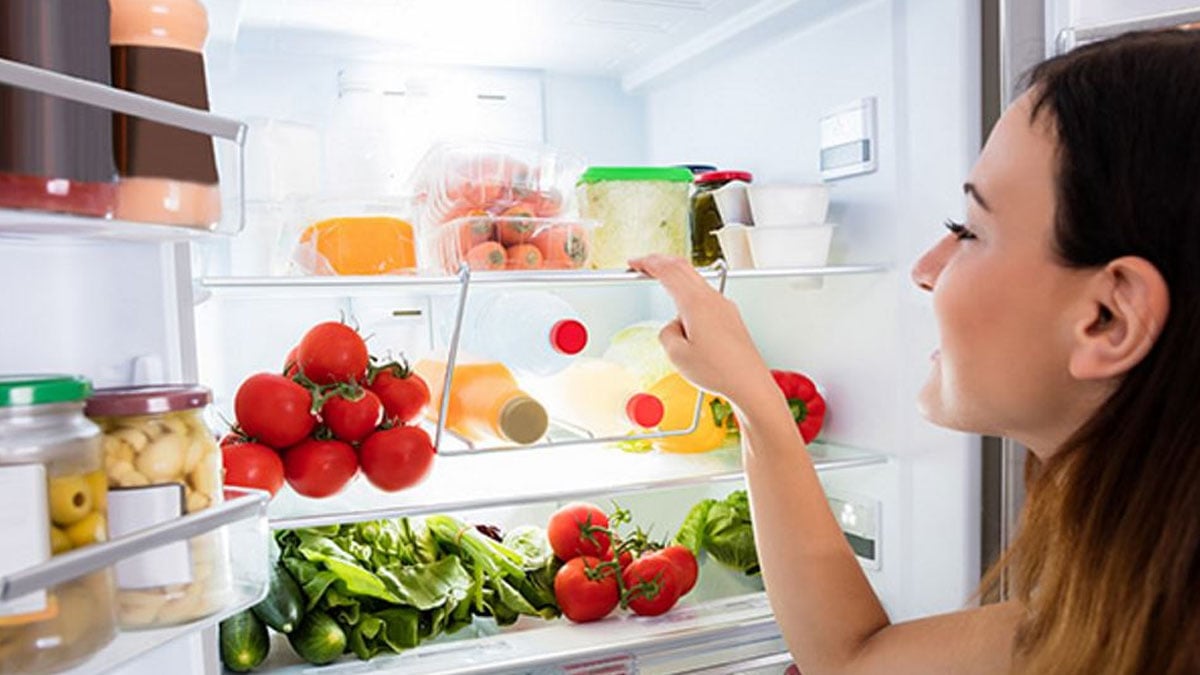
When it comes to the safety of what you eat, your refrigerator acts as your primary weapon against food-borne bacteria. One of the fundamental tenets guiding government health organizations like the USDA and FDA relies on a basic premise for all of their recommendations: the 40-degree rule.
Here’s what this means, how you can take control of your fridge’s actual temperature and why doing so can not only save you from illness but also reduce food waste.
What is the 40-Degree Rule?
The rule is quite simple. In order to keep food safe, it should never exceed a temperature of 40 degrees Fahrenheit (4 degrees Celsius). Any food kept between 40 F (4 C) and 140 F (60 C) is in what the food safety experts term the “Danger Zone.” Bacteria will thrive at temperatures within this range and will double in number within a 20-minute timeframe.
Even though the official rule dictates that a temperature of 40 F is the maximum safe point, there is a buffer with 37 F (3 C). As the door of the refrigerator is opened repeatedly, and as new, warm food is added, temperature fluctuations can cause brief spikes of temperature that can still allow bacteria to multiply.
A 37 F temperature helps prevent that. And unlike a 40-F temperature, that additional 3 degrees of cold also helps prevent ice from forming on food items that may be closer to a cold wall of the refrigerator, such as sensitive leafy vegetables or fresh fruits, and thereby freezing the food.
Not all refrigerators will let you know with a digital reading whether or not the correct temperature is being maintained. Many refrigerators have a dial from 1 to 7 or simply a snowflake graphic on the control panel rather than an actual temperature readout. Therefore, for absolute assurance that your food is safely stored, you’ll need to purchase an inexpensive, standalone refrigerator thermometer.
Place it on a shelf in the middle of the appliance to obtain a precise reading.
Always make sure to check the temperature from time to time. Remember that factors like room temperature, placing the unit in an unconditioned garage or hot room, and the quantity of food you load into the unit at any one time will all affect internal temperature.
Important Food Safety Rules You Should Remember
There are other food safety rules, beyond temperature management, you should adhere to:
The 2-Hour Rule – Perishable items such as meat, poultry, eggs, dairy products, seafood, cooked leftovers and cut fruit should never be left at room temperature for longer than two hours. This timeframe decreases to one hour when the ambient temperature is above 90 F (32 C), such as at an outdoor picnic.