
Salaried class paid Rs600bn, landlords less than Rs10bn in taxes: Asad Umar
- By Rafay Hussain -
- Aug 22, 2026


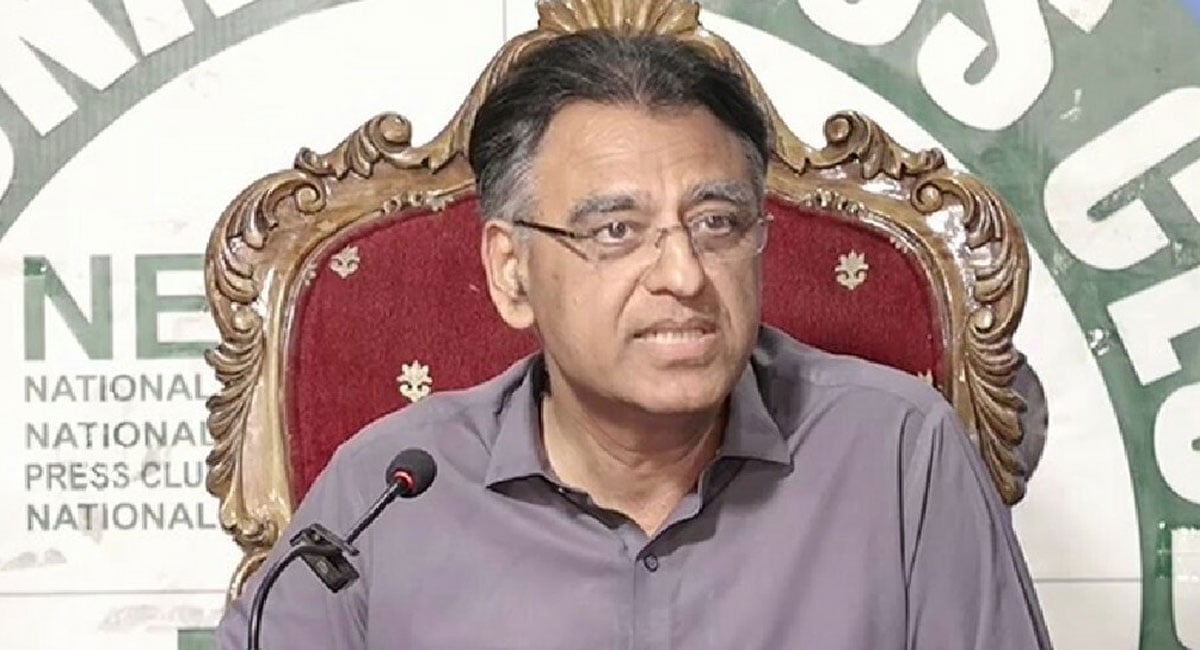
KARACHI: Former finance minister Asad Umar has criticised the government’s economic policies, saying the past four years have been among the worst periods for Pakistan’s economy.
Speaking in an interview with ARY News on Saturday, Umar said economic growth had remained extremely low during the period, while inflation and poverty had increased.
He said Pakistan had witnessed record-high inflation, while government figures also showed an increase in the number of people living below the poverty line.
“Government figures are telling the story of the destruction of the economy,” he said.
Commenting on taxes and petroleum prices, the former finance minister said the government should have reduced the petroleum levy when international oil prices were rising by 60% to 70%. Instead, he claimed, taxes on petroleum products were increased along with fuel prices.
Umar claimed that the petroleum levy on petrol had been increased from Rs50 to Rs117 per litre, while the government collected around Rs1.6 trillion in petroleum levy during the previous year.
He further claimed that more than Rs600 billion in taxes were collected from the salaried class last year, while less than Rs10 billion was collected from landlords, feudal families, industrialists and wealthy landowners across the four provinces.
“It is unfortunate that the salaried class paid more than Rs600 billion in taxes, while less than Rs10 billion was collected from landlords and waderas across the four provinces,” he said, adding that the disparity was causing public resentment.
Umar also criticised the government’s policy regarding new independent power producer (IPP) projects.
Petrol price hiked, diesel also becomes more expensive
He said the government had previously changed its five-year policy for solar consumers and ended net metering, which he described as unfair to consumers, while it was now announcing plans for new power-generation projects.
According to Umar, the policy was similar to one adopted by the Pakistan Muslim League-Nawaz (PML-N) government between 2013 and 2018.
Umar claimed that similar power plants were being established in Bangladesh at nearly one-third of the cost.