
Black Phone 2 Review: A Stylish but Less Terrifying Return to Horror
- By Nida Faraz -
- Oct 18, 2025


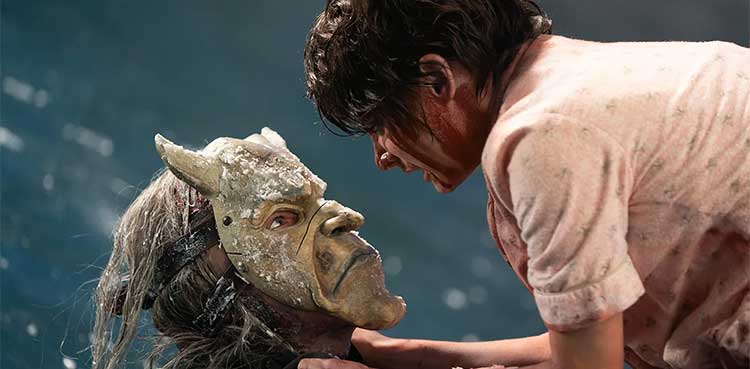
The 2021 horror hit The Black Phone proved devastatingly effective, placing children in genuine mortal danger without pulling punches. Now, four years later, director Scott Derrickson and co-writer C. Robert Cargill reunite for a sequel that admirably attempts something different—but struggles to recapture the relentless terror that made the original so gripping.
A Haunting Return
Despite the Grabber’s death in the first film, this sequel finds a supernatural workaround. With a worldwide gross of $160 million justifying its existence, Black Phone 2 proves more than a simple cash grab—it’s an ambitious, stylistically bold effort that mostly delivers on its promise, even if it never quite matches its predecessor’s suffocating dread.
Trauma Takes Center Stage
When we reunite with Finn (Mason Thames), the scars run deep. He’s violent, angry, self-medicating with marijuana—mirroring his father’s (Jeremy Davies) own flawed coping mechanisms—and dismissively answering randomly ringing payphones with “Sorry, but I can’t help you.” His younger sister Gwen (Madeleine McGraw), the film’s true lead this time, suffers from haunting dreams channeling their late mother (who died by suicide) and three young boys murdered by the Grabber in his early killing days.
These visions lead the siblings, along with Gwen’s friend Ernie (Miguel Mora), to Alpine Lake—a Christian winter camp in the Rocky Mountains—where they become stranded during a fierce blizzard. It’s here that the Grabber’s ghost awaits, Freddy Krueger-style, wreaking psychic and physical violence from within dreams.
Read More Movie Reviews Here!
Ambitious but Uneven
Derrickson and Cargill know their convoluted storyline borders on absurd, but they lean into it emphatically enough that audiences will likely go along for the ride. The filmmakers inject genuine emotion through tortured family dynamics and interesting religious themes, examining Christianity’s more repressive aspects through officious camp employees (Graham Abbey, Maev Beaty).
Yet the physical threat feels less oppressive this time. With Finney and Gwen surrounded by a supportive group (not all obviously marked for death) and the Grabber largely incorporeal, the moment-by-moment terror that defined the original dissipates. The film strays perilously close to Nightmare on Elm Street territory, with danger lurking in both the heavily grained dream sequences and the crisply shot reality.
Technical Mastery
Derrickson demonstrates genre expertise, shooting nightmarish sequences on Super 8 and Super 16 film to truly eerie effect. His son Atticus Derrickson delivers an unsettling score that keeps blood pressure elevated. There are still creepy scenes—particularly involving a disused phone booth by the lake—and big set-piece scares executed with considerable panache.
While the film wears its ’80s horror influences heavily on its sleeve, these extensive borrowings are forgiven when delivered with such stylistic flair.
Standout Performances
Ethan Hawke remains this franchise’s greatest asset. Hidden behind genuinely scary demonic masks, he delivers a virtuosic, largely vocal performance, using his cigarette-ravaged, raspy voice to chilling effect—a portrayal seemingly destined for future installments.
Thames and McGraw are absolutely terrific as traumatized teens battling evil. Strong supporting turns come from Demián Bichir as the camp’s sympathetic owner and Arianna Rivas as his spunky niece. In stunt casting that actually works, Miguel Mora—who played one of the Grabber’s victims in the first film—now portrays the victim’s brother, forming a romantic connection with Gwen.
The Verdict
The new focus on Gwen works well when exploring her existential fear of following her mother to mental illness and death through her dreams. However, this compelling thread falls away in the final act for more conventional horror obstacles.
Black Phone 2 remains interesting throughout its 114-minute runtime, boasting committed performances, appropriately chilly atmosphere, and ambitious thematic exploration. But it never quite becomes compelling in the way its predecessor was terrifying. It’s a stylish, emotionally grounded sequel that succeeds in its aspirations to be different—even if different doesn’t always mean better.
The Bottom Line: Worth watching for fans of the original and horror enthusiasts, but expect a more atmospheric, less viscerally frightening experience than the first film delivered.
Rating: ★★★☆☆