
Car prices in Pakistan to come down after new policy?
- By Noman Awan -
- Jul 02, 2026


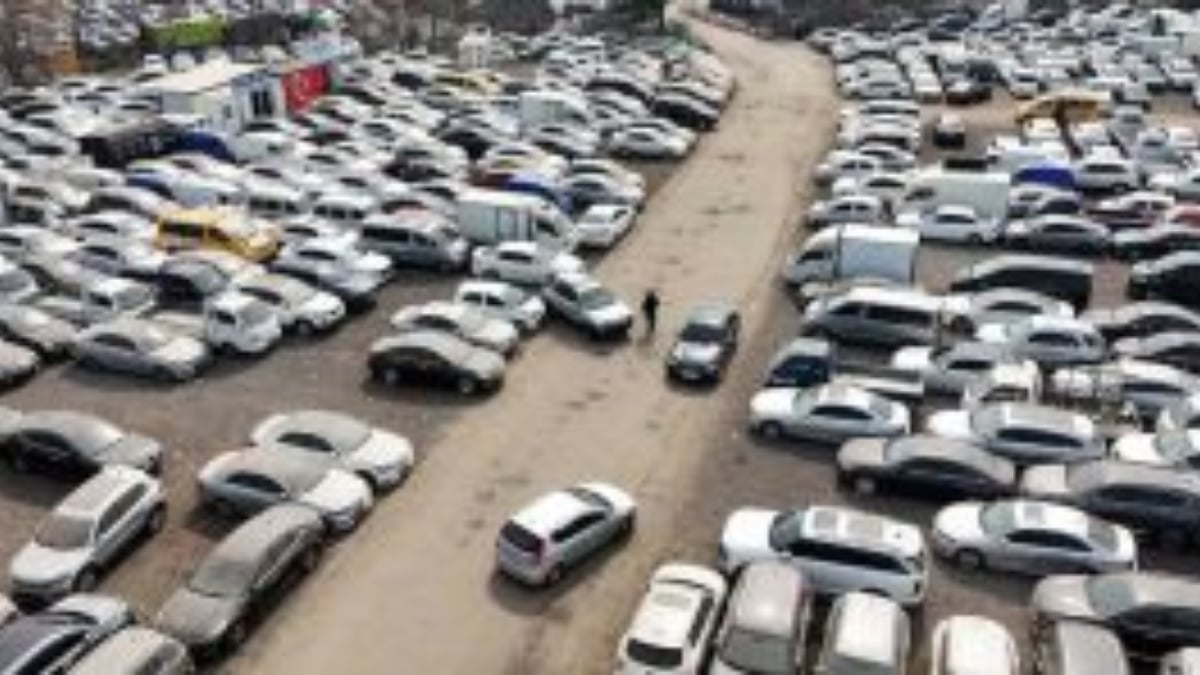
An automotive industry expert believes that Pakistan’s new auto policy and recent budget measures in the country could lead to short-term relief in car prices, but long-term outcomes remain uncertain.
Speaking during the ARY News program “Bakhabar Savera”, auto sector expert Mushhood Ali Khan offered a detailed analysis of the government of Pakistan’s strategy and raised several questions about it.
He said Pakistan’s economy benefits more from local parts manufacturing than from vehicle assembling alone.
According to Mushood Ali Khan, earlier, three major companies invested heavily in developing local vendor networks, helping small and medium-sized industries produce parts domestically.
However, he argued that newer brands in the market have largely focused on assembling operations without significantly strengthening local manufacturing capacity.
He said that while the government has reduced taxes in the budget, it remains to be seen to what extent importers and distributors pass the benefit on to consumers.
He added that prices might drop slightly in the short term, but warned that in the long run, reduced protection for local industry could hurt domestic parts manufacturers, potentially leading to factory closures and job losses.
He called for a review of the proposed five-year tariff policy in consultation with all stakeholders, arguing that it could create serious challenges for local industry.
Replying to the question that small cars could become available in the range of Rs.2 million to Rs.2.5 million under the new auto policy, Mushad Ali Khan said such price levels are not impossible.
He pointed to examples in countries such as China where low-cost vehicles exist. However, he cautioned that achieving such prices would likely require significant cuts in vehicle features and specifications.
He further said that Pakistani consumers generally trust traditional petrol-powered vehicles, and that a rapid shift towards electric vehicles remains difficult.
He said current electric vehicle buyers are mostly from higher-income groups who already own petrol or hybrid cars.