
Cement Price in Pakistan- April 18, 2026
- By Web Desk -
- Apr 18, 2026


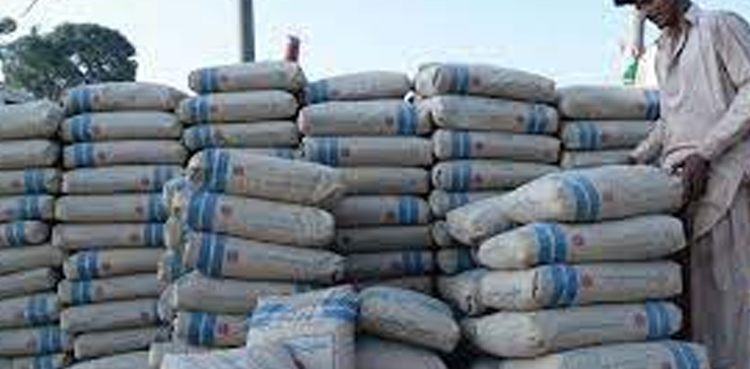
As of April 18, 2026, cement prices in Pakistan for a standard 50kg bag of ordinary Portland cement (OPC, typically 53 grade) range from approximately ARs. 1,340 to Rs. 1,450, depending on the region, quality, brand, and local market conditions. The nationwide average hovers around Rs. 1,380 to Rs. 1,420 per bag, with only modest fluctuations observed in recent weeks.
In major cities:
- Karachi and southern markets (including other Sindh areas) often enjoy slightly lower rates, typically Rs. 1,350 to Rs. 1,420 (with some reports extending to Rs. 1,500 in premium segments), thanks to proximity to production plants and lower freight costs.
- Lahore, Islamabad, and northern regions generally range from Rs. 1,380 to Rs. 1,450 (or up to Rs. 1,550 in certain urban pockets), driven by higher transportation distances and ongoing demand from housing and infrastructure projects.
These authentic rates are drawn from the latest dealer updates and market reports as of April 18, 2026. Prices have shown relative stability, with minor upward adjustments of Rs. 10–25 per bag in some areas during early April, but overall resilience in the face of external pressures.
The ongoing Iran conflict (which escalated in late February 2026) has continued to disrupt global oil supplies through the Strait of Hormuz, causing international crude prices to spike sharply earlier in the year. This led to dramatic petrol and diesel hikes in Pakistan in early April — with petrol briefly surging toward Rs. 458 per litre and diesel over Rs. 520 per litre around April 3. The government responded with partial relief measures, including levy reductions, bringing current petrol prices down to approximately Rs. 366 per litre and diesel to around Rs. 385 per litre as of mid-April. Even after these adjustments, fuel costs remain significantly elevated compared to pre-conflict levels, increasing transportation expenses for cement (particularly diesel for trucking) and energy inputs for production kilns. Despite this added cost pressure, strong domestic output and supply chains have helped prevent sharper spikes in cement bag prices so far.
Cement Market Snapshot: Key Insights for Builders in Mid-April 2026
Pakistan’s construction sector continues to depend on cement as a core material for residential homes, commercial buildings, roads, and large-scale government infrastructure initiatives. In mid-April 2026, the market displays balanced pricing amid lingering global energy volatility stemming from the Iran situation.
Today’s Cement Prices in Pakistan (Per 50kg Bag) Standard grey OPC cement trades in the Rs. 1,340–1,450 range across the country. Southern regions, particularly around Karachi and Sindh, maintain more competitive pricing near Rs. 1,350–1,420, while northern cities like Lahore and Islamabad typically see Rs. 1,380–1,450. These variations primarily result from plant locations, freight charges, and regional demand patterns.
The ripple effects of the Iran conflict on petrol and diesel prices have raised logistics and production costs, yet cement rates have experienced only gradual adjustments rather than major surges. This measured stability provides builders and homeowners with a reasonable level of predictability for planning renovations, new residential projects, or bigger developments.
Practical tips for buyers right now:
- Compare quotes from multiple local suppliers to secure the most competitive rate.
- Inquire about bulk purchase discounts, which can help offset some of the fuel-driven cost increases.
- Monitor energy price movements or any further policy responses to the Iran conflict that could influence future cement pricing.
With sustained government focus on housing schemes and infrastructure spending, cement demand remains steady, supporting active supply chains. The recent fuel price volatility linked to the Iran war serves as a clear reminder of how international events can impact local construction costs, but current authentic rates still allow for effective budgeting in ongoing projects.
For the most precise pricing in your area (especially in Sindh regions like Karachi or nearby), contact trusted local vendors or check daily dealer boards — small variations can occur based on immediate stock, delivery fees, or dealer margins. Staying informed on these real-time market rates, including the petrol price effects tied to the Iran conflict, helps keep your construction expenses under better control in Pakistan’s evolving building materials landscape.