
Cement Price in Pakistan Today – August 8, 2026
- By Fahad Ali -
- Aug 08, 2026


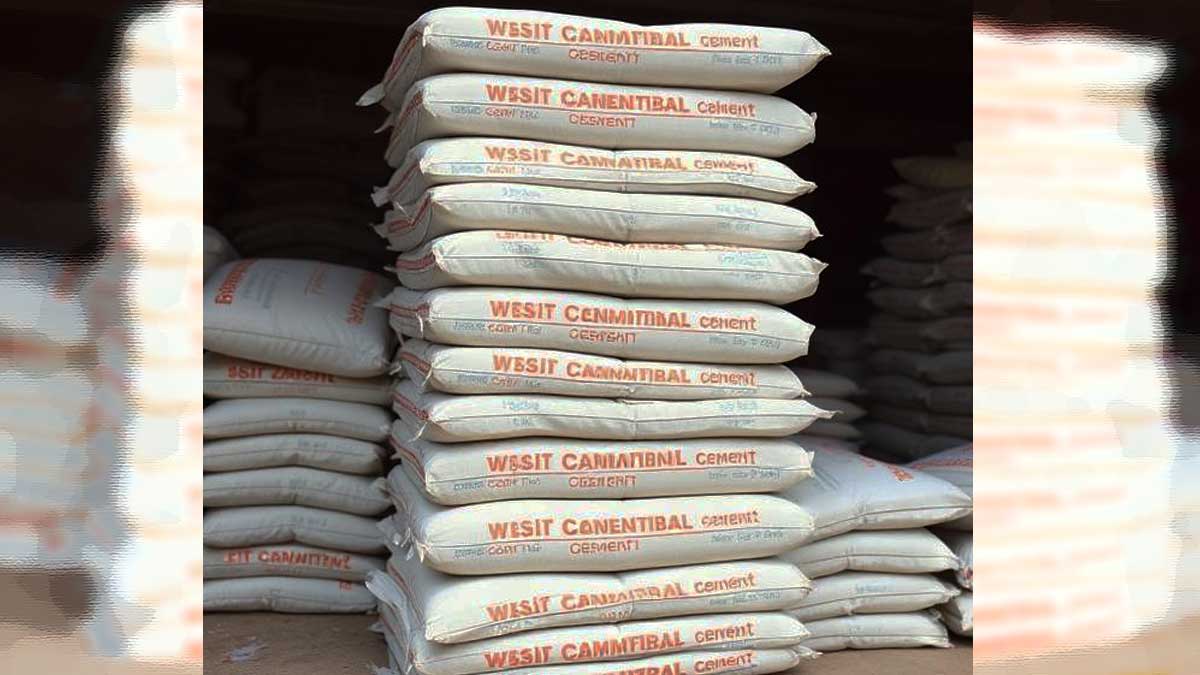
KARACHI: As of August 8, 2026, the average price for a bag of 50kg of ordinary Portland cement is about Rs 1,559 in Pakistan, according to the latest sensitive price indicator data from the Pakistan Bureau of Statistics. The price in northern Pakistan stood at around Rs 1,567 per bag, up 1 rupee from the previous week, while in the south the figure was unchanged at Rs 1,547 per bag.
At any given moment, the cost of a bag of cement in Pakistan fluctuates between Rs 1,500 and Rs 1,610 depending on the city. In Multan, Faisalabad and Quetta it is between Rs 1,450 and Rs 1,555 per bag for example while in bigger cities such as Lahore, Islamabad, Rawalpindi and Peshawar it is on average between Rs 1,515 and Rs 1,610. In Karachi, Hyderabad and other cities in Sindh it is between Rs 1,505 and Rs 1,610. The rate depends on distance to cement plants, dealer margins and supply-demand laws. Transportation and distribution costs also play a role, with prices in the north often being higher than in the south due to the distance many bags have to travel from manufacturer to dealer.
Ordinary Portland cement, used in most cases for construction works involving foundations, pillars, beams and slabs, is on average between Rs 1,500 and Rs 1,610 for a 50kg bag. Sulphate-resistant cement, needed when building on sulphate-soaked soil or with high ground-water levels, costs on average 8-10% more than regular Portland cement. White cement, which is mostly used for finishing, tiling and terracing works rather than construction, is much more expensive, costing anywhere between several thousand rupees for a 40kg bag depending on the region, or between Rs 46 and 48 per kg.
The rates for cement in Pakistan are influenced by natural gas, energy, coal, fuel prices, transportation, supply-demand, tax, duties, raw material, production cost, plant location and any disruptions to supply. As per the latest sensitive price indicator data, so far there has not been much change week-over-week. In the last couple of months prices were affected by adjustments to diesel and petrol prices, with natural gas and coal playing a significant role in production costs as well as transportation.