
UK builders suffer longest downturn since global financial crisis
- By Reuters -
- Jan 07, 2026


UK construction sector output contracted for the 12th month in a row in December, its longest such run in almost two decades, but there were signs of optimism about 2026, an industry survey showed on Wednesday.
The S&P Global/CIPS Purchasing Managers’ Index (PMI) for the sector came in at 40.1 in December, not much higher than its 5-1/2-year low of 39.4 in November.
The drop extended the sector’s downturn to 12 months, its longest unbroken run of contractions since the global financial crisis of 2007-09.
Wednesday’s reading was below a median forecast of 42.5 in a Reuters poll of economists and the 50 level that separates growth from contraction.
“UK construction companies once again reported challenging business conditions and falling workloads in December, but the speed of the downturn moderated from the 5-1/2-year record seen in November,” said Tim Moore, economics director at S&P Global Market Intelligence.
“Many firms cited subdued demand and fragile client confidence. Despite a lifting of budget-related uncertainty, delayed spending decisions were still cited as contributing to weak sales pipelines at the close of the year.”
Some recent business surveys have shown similar worries about demand, investment and hiring ahead of finance minister Rachel Reeves’ second annual budget in late November, which included 26 billion pounds ($35 billion) in tax rises although the introduction of most of them was delayed.
Output in the commercial sector in December dropped at the sharpest pace in more than 5-1/2 years. While the downturn in civil engineering eased, it remained the weakest performing category in December.
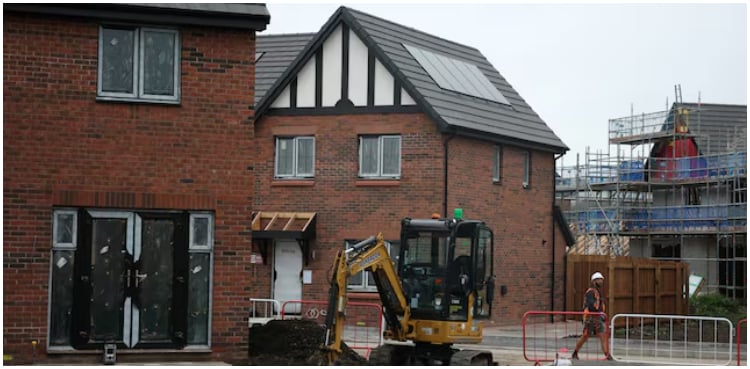
The residential building activity subindex dropped to 33.5, the weakest reading since May 2020 when lockdowns during the coronavirus pandemic halted construction work. Britain’s government is trying to boost the pace of house-building.
However, firms showed signs of confidence about the outlook with business activity expectations for the coming 12 months hitting their highest since July, helped by the prospect of lower borrowing costs as well as the lifting of uncertainty about Reeves budget.
Rising infrastructure spending and weaker inflationary pressure also raised hopes of a turnaround.
Total new orders and employment in December fell but to a lesser extent than in November.
The all-sector PMI – which includes previously published services and manufacturing reports for December, as well as the construction data – edged up to 50.4 from 50.1 in November.