
Cuba in communication with US, Cuban diplomat says, as Trump tightens screws
- By Reuters -
- Feb 03, 2026


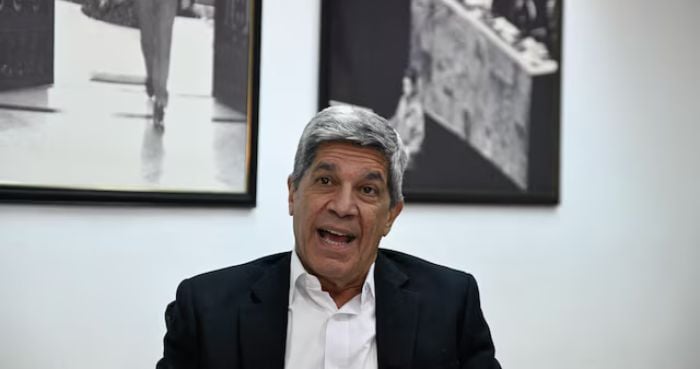
HAVANA: Cuba and the United States are in communication, a Cuban diplomat told Reuters on Monday, although he said the exchanges have not yet evolved into a formal “dialogue.”
Carlos Fernandez de Cossio, Cuba’s deputy foreign minister, told Reuters the U.S. government was aware that Cuba was “ready to have a serious, meaningful and responsible dialogue.”
“We have had exchange of messages, we have embassies, we have had communications, but we can not say we have had a table of dialogue,” de Cossio told Reuters in an interview at the Foreign Ministry building in Havana.
De Cossio’s statements on Monday represent the first hint from Cuba that the two sides are in conversation, even if in a limited fashion, after tensions flared in January between the two countries following the U.S. capture of Venezuelan leader Nicolas Maduro, long a close ally of Cuba.
U.S. President Donald Trump on Sunday said the United States had begun talks with “the highest people in Cuba,” days after declaring Cuba “an unusual and extraordinary threat” to U.S. national security and threatening tariffs on the U.S.-bound exports of any nation that sends oil to the communist-run island.
“I think we’re going to make a deal with Cuba,” Trump told reporters at his Mar-a-Lago estate in Florida on Sunday.
Cuba had previously denied any talks with the United States.
OIL WOES
Friction has increased in recent weeks as the U.S. has moved to block all oil from reaching Cuba, including that from ally Venezuela, pushing up prices for food and transportation and prompting severe fuel shortages and hours of blackouts, even in the capital Havana.
U.S. President Donald Trump said on Monday that Mexico would stop sending oil to Cuba as he ramped up a pressure campaign on the Caribbean nation.
De Cossio said he expected the U.S. push to halt fuel exports to Cuba would eventually backfire.
“The U.S. … is attempting to force every country in the world not to provide fuel to Cuba. Can that be sustained in the long run?” de Cossio told Reuters. “Is every country in the world going to accept that the U.S. tell them to whom they can export their national products?”
The two neighboring countries have been at odds since former leader Fidel Castro’s 1959 revolution, but a crippling economic crisis on the island and stepped-up pressure from the Trump administration have recently brought the conflict to a head.