
Diana’s sacrifice for Queen Elizabeth II revealed
- By Maria Lopez -
- Aug 11, 2026


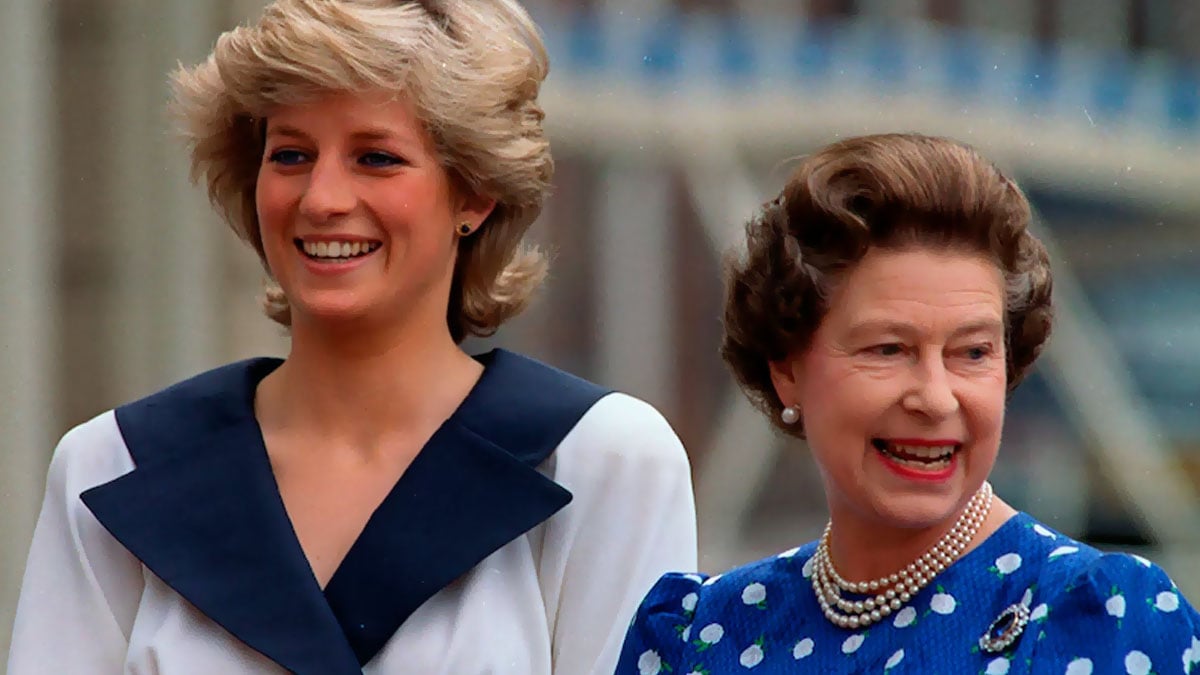
The story of Princess Diana’s life is often defined by the challenges she faced within the Royal Family, but a book has shown a side of her character that is frequently overlooked: her deep, unwavering respect for Queen Elizabeth II.
Despite her well-documented struggles in her marriage to Prince Charles, Diana was committed to upholding the dignity of the monarchy and frequently cited her admiration for the Queen as a primary reason she conducted herself with such restraint.
In the book Diana: Her True Story, author Andrew Morton noted that while the Princess was critical of the monarchy as an institution, she held the Queen in high regard for her dedication and conduct. This respect was so profound that it became a deciding factor in her personal life.
Diana often expressed that she would never let the Queen down, even when she longed to leave her marriage.
This dedication was visible in small, personal ways. On one notably sweltering day during a royal garden party, a friend offered Diana a fan to help her cool down. She refused, explaining that she could not use it because the Queen would be standing nearby in full formal attire, subject to the same heat. Diana admired the monarch’s legendary ability to maintain self-control in every circumstance and felt it was her duty to mirror that discipline.
Royal Family – Latest News and Updates
While their relationship had complex moments—including a difficult period in 1986 when Diana sought advice about her marriage and felt she did not receive the support she had hoped for—the mutual respect between the two women remained a constant. Following the tragic death of the Princess in 1997, the Queen broke with tradition to deliver a heartfelt address to the nation. She praised Diana as an exceptional and gifted human being, highlighting her warmth, kindness, and devotion to her sons. In the days that followed, the Queen further reflected on the loss, noting how the global public reaction had served to unite people in a unique and inspiring way.
Decades later, this narrative provides a more nuanced look at the relationship between the two figures. It reveals that behind the public duties and private tensions, there was a shared sense of responsibility that defined both of their legacies.