
DO NOT share children’s pics on social media: NCA issues warning
- By Web Desk -
- Jul 30, 2026


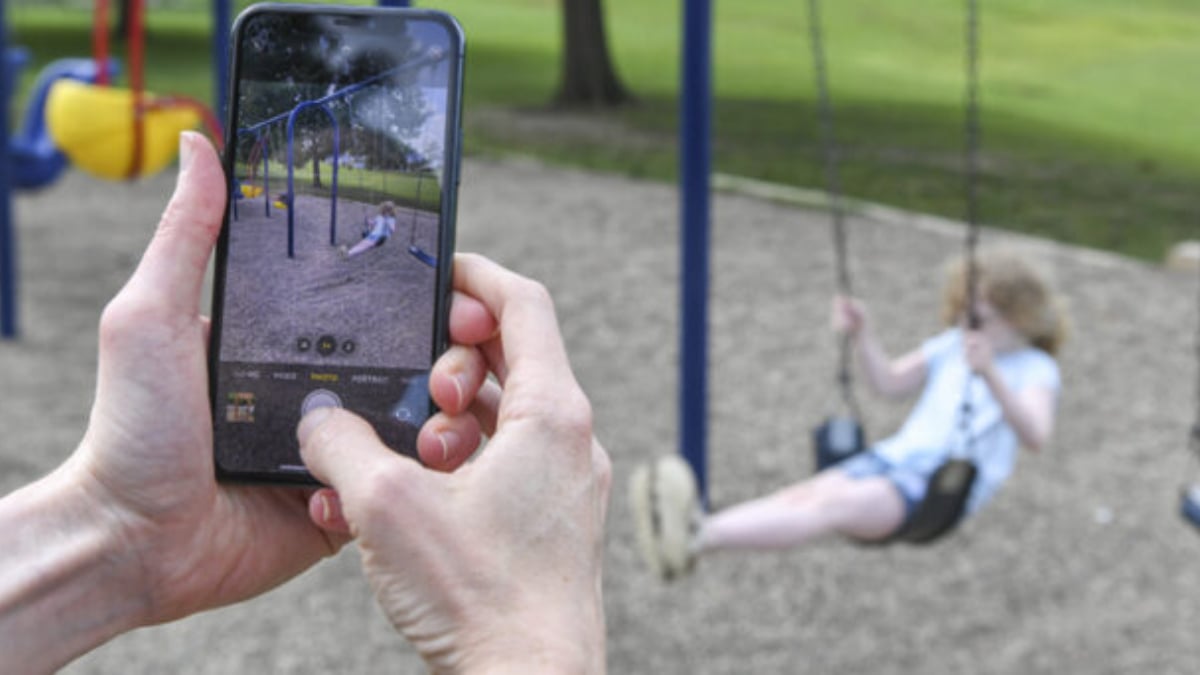
As Artificial Intelligence (AI) transforms everyday life with unprecedented convenience, it also poses growing threats to human privacy if not used with caution. The National Crime Agency (NCA) in the UK has urged parents not to post photographs of their children online, warning that those images could be misused by criminals using artificial intelligence (AI).
According to media reports, criminals are increasingly using Artificial Intelligence (AI) tools to create fake child sexual abuse images and videos by manipulating ordinary photographs shared on social media.
In the present digital era, many parents naively regularly post pictures and videos of their children online to share family moments.
Experts refer to this practice as “sharenting”, a combination of the words “sharing” and “parenting”; although they also warned that this practice may expose children to serious online risks.
The UK NCA cautioned that even everyday photographs of children can be altered using AI technology and turned into explicit or abusive content, which may pose significant threats to children’s privacy and safety.
According to the Internet Watch Foundation (IWF), around 3,500 AI-generated child sexual abuse images and videos were identified last year in 2025, compared with just 13 reported cases in 2024.
The figures highlight how rapidly this form of online abuse is expanding.
Experts warned that criminals may obtain children’s photographs from social media accounts and use AI to create highly realistic fake images or videos.
As AI technology becomes more sophisticated, experts suggested parents need to exercise greater caution when sharing content online.
The IWF has advised parents to keep their social media accounts private and limit access to photographs and videos to trusted friends and family members.
Using privacy features such as “Close Friends” lists and restricting who can view posts can help reduce the risk of misuse.
Experts also encourage parents to involve children in conversations about their online presence, where appropriate, and take their consent before sharing their photographs or videos on social media.