
Dumb phone sales rise as users seek relief from daily screen time
- By Kumail Shah -
- Aug 19, 2026


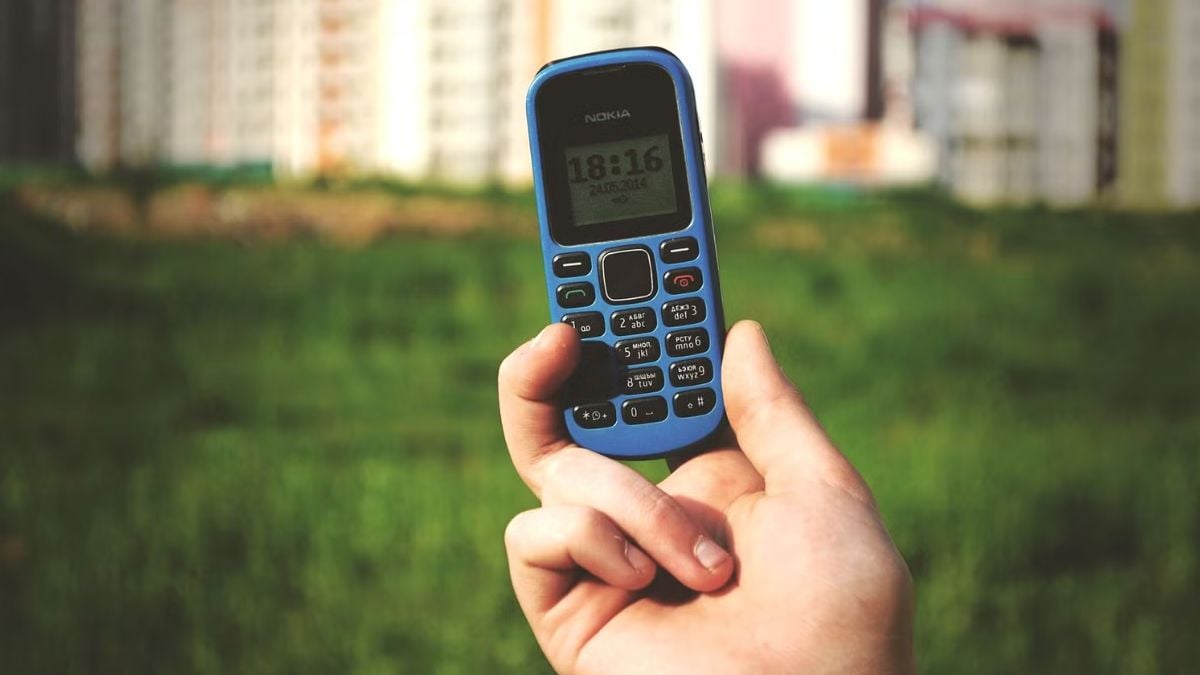
Kendall Schrohe, 23, from Washington, D.C., recalls the moment she swapped her smartphone for a flip phone, calling the change “heaven on earth.” She is part of a growing trend among young people who are giving up smartphones in favor of simpler “dumb phones” to step away from social media, look after their mental health, and revisit a time before constant connectivity.
Pew Research finds that about half of U.S. adults use social media platforms such as Facebook and YouTube every day.
The American Psychological Association reports that young people spend even more time online, with the average U.S. teenager logging nearly five hours a day on social media.
These so-called dumb phones range from classic flip phones that only make calls and send texts to newer models that support basic apps but leave out social media. Schrohe bought hers from Dumb.co, a startup that sells phones with practical features like Uber, maps, and Spotify.
Dumb.co says it now has more than 5,000 active users, most of them women around 24 years old. Other alternatives include The Light Phone and Brick, which serve as companion devices to block access to smartphone apps.
Schrohe is happy she made the switch, but she admits that breaking old habits is hard for people who grew up with social media.
Medical experts agree. Dr. Jason Nagata, a pediatrician at the University of California, San Francisco, says social media can cause addiction-like symptoms, such as losing control, withdrawal, tolerance, and relapse in both teens and adults.
“In the long term, many do notice improvement in sleep, better concentration, less overall stress,” Nagata explained. This aligns with recent legal scrutiny; a March jury ruling found Meta and YouTube liable for fostering addictive behavior in young users.
Schrohe says she owes her success to “Month Offline,” a program that encourages people to put away their smartphones for 30 days and join group activities without screens.
READ MORE: Meta exploited children and misled public: US prosecutors
“I needed that extreme measure, like to physically not be able to access social media in order to realize that I actually preferred life without it,” Schrohe said. “The concept of social media, it’s not inherently evil. It’s the way it’s designed to keep you on it. If you feel like you want to change your relationship with technology, you can.”