
E-Bikes: Are They Really Cost-Effective Amid Petrol Price Hikes in Pakistan?
- By Dr Umar Islam -
- May 08, 2026


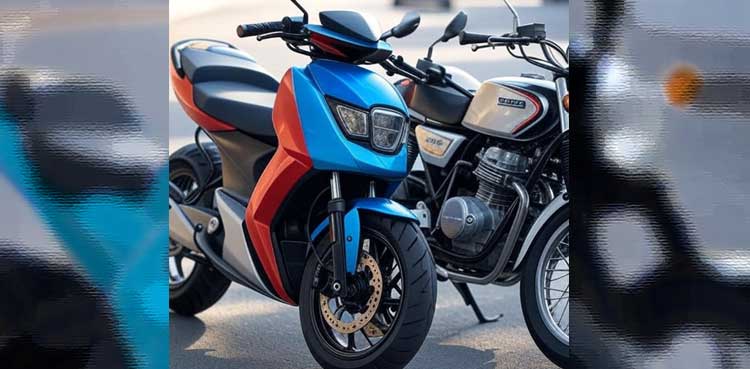
Pakistan’s petrol price hit Rs399.86/L on May 1, 2026, after a Rs6.51 hike, while high-speed diesel jumped Rs19.39 to Rs399.58/L. That puts both fuels a hair away from the Rs400 threshold. For millions of commuters, students, and delivery riders, filling a 10L bike tank now costs ~Rs3,999. At 35-40 km/L, that’s roughly Rs10-11.4 per km in fuel alone. So the question is urgent: do e-bikes actually save money, or just shift the cost somewhere else?
1. Why petrol hurts more in 2026
The latest hike isn’t isolated. Petrol was Rs393.35/L in late April, up nearly Rs27/L in one go.
Year-on-year, April petrol prices averaged Rs374.73/L vs Rs310.53/L in March, a 21% jump. The trigger: Middle East tensions and a 167% spike in Pakistan’s weekly oil import bill, from $300M to $800M. Globally, Brent crude swung from $126/barrel fears to ∼$101 on May 6, but domestic levies remain heavy. The petroleum levy on petrol was cut to Rs103.50/L but a new Rs28.69/L levy was added on diesel. With IMF pressure to meet a Rs1.468 trillion levy target, relief looks unlikely.
Result: fuel sales fell 7% YoY in April to 1.36M tonnes as consumers cut back. For bike owners, the Rs100/L subsidy in Punjab/Sindh, capped at 20L/month, helps but is under fiscal strain.
E-bike running costs: The real per-km number
Most e-bikes in Pakistan use 60V-72V lithium or lead-acid packs, 1.5-2.5 kWh capacity.
Electricity cost: At Rs55-65/unit for domestic consumers above 300 units, a full 2 kWh charge costs Rs110-130. Range is 60-80 km. That’s Rs1.4-2.2 per km.
Petrol bike: At Rs399.86/L and 40 km/L, you pay Rs10.0 per km. Even at 50 km/L, it’s Rs8.0/km.
Savings: Rs8-9/km. A rider doing 50 km/day saves Rs400-450 daily, or Rs12,000-13,500/month on fuel alone. For delivery riders doing 100 km/day, that’s Rs24,000-27,000/month.
Battery replacement is the catch. Lithium packs last 800-1,200 cycles, or 2.5-3.5 years at daily use. Replacement costs Rs60,000-120,000. Spread over 3 years, that adds Rs1,700-3,300/month. Even with that, net savings vs petrol often stay Rs8,000+/month for heavy users.
3. Upfront cost vs payback period
Petrol bike: Honda CD70/CD Dream: Rs160,000-185,000.
E-bike: Entry-level models like Metro T9, Yadea, or Road Prince E-GO: Rs220,000-350,000 for lithium versions. Lead-acid variants are Rs150,000-200,000 but have shorter range and life.
Payback math for a 50 km/day commuter:
|
Item |
Petrol Bike |
E-Bike Lithium |
|---|---|---|
|
Purchase |
Rs170,000 |
Rs280,000 |
|
Fuel/Electricity per month |
|
|
|
Maintenance per year |
Rs15,000 oil, filters |
Rs5,000 brakes, tyres |
|
Net monthly saving |
|
Extra upfront: Rs110,000. Monthly saving: ~Rs11,500. Payback: 9-10 months. After that, you’re ahead. With petrol near Rs400, the “payback period for EVs has drastically shortened”.
4. Hidden costs and practical limits
E-bikes aren’t magic. Consider:
- Load shedding: Charging 2 kWh needs 3-4 hours. Areas with long outages need UPS/solar or nighttime charging.
- Battery degradation: Heat in Karachi/Lahore cuts lithium life. Warranty is usually 1-2 years.
- Resale: Used e-bike market is thin. Petrol bikes hold value better.
- Speed & range: Most legal e-bikes top out at 50-60 km/h with 60-70 km real-world range. Not ideal for highway commutes.
- Maintenance shift: No oil changes, but controller, charger, and battery issues need specialized shops.
5. Who wins most from switching?
Clear win: Daily commuters >30 km, delivery riders, and students with predictable routes and home charging. If your monthly petrol bill is already Rs15,000+, an e-bike pays back in under a year.
Marginal case: Casual riders <15 km/day. Savings might not offset higher upfront cost for 3+ years, especially with lead-acid batteries that need replacement every 18 months.
Not ideal yet: Rural users without stable electricity, or those needing 100km+ range without charging stops.
6. Policy and market shifts
The fuel shock is pushing demand. “Small CC preference” and EV interest are at all-time highs as petrol hovers near Rs400. The government still subsidizes bikers at Rs100/L for 20L/month, but that equals Rs2,000/month relief. An e-bike saves 5-6x that.
Meanwhile, diesel’s Rs19.39 hike is raising freight costs, so expect delivery companies to incentivize e-bikes to protect margins.
Bottom line: Are e-bikes cost-effective now?
Yes, for most urban users doing 30+ km/day. At Rs399.86/L petrol, the fuel-to-electricity cost gap is 5:1 or better. Even after battery replacement, a typical rider saves Rs8,000-15,000/month. Payback is 9-15 months.
But “cost-effective” assumes you can charge reliably and accept lower top speed. If you ride <500 km/month, a petrol bike is still cheaper over 3 years.
With prices near Rs400 and IMF-linked levies likely to stay, the economics will keep tilting toward e-bikes. The bigger question for 2026 isn’t whether they save money, but whether Pakistan’s grid and service network can support the switch.