
Euro Soars Against Pakistani Rupee
- By Web Desk -
- Aug 21, 2025


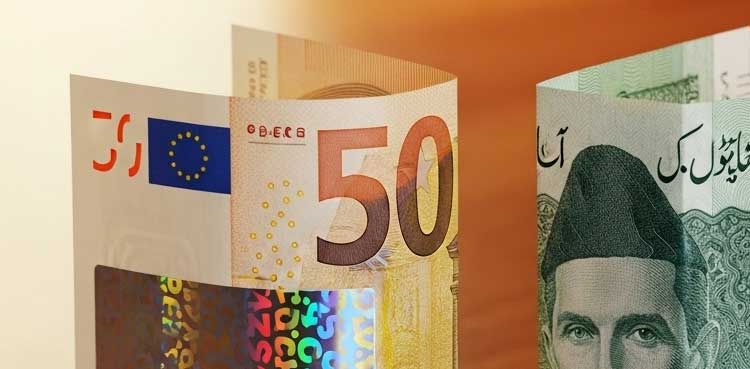
LAHORE, August 21, 2025: The Euro (EUR) hit 330.52 Pakistani Rupees (PKR) today, continuing its upward trend against the Pakistani currency, which has seen a 12.15% decline over the past six months. This shift, since the Euro peaking at a 10-year high of 335.95 PKR on July 2, is reshaping trade and investment dynamics between Pakistan and the Eurozone.
Currency Rates in Pakistan Today- Latest Updates
In Lahore’s bustling Anarkali Bazaar, Ayesha Khan, a local importer of Italian leather goods, felt the pinch. Her latest order, costing €10,000, was budgeted at 2.9 million PKR in March when the rate was 290.33 PKR per Euro. Today’s rate of 330.52 PKR pushed her costs to 3.3 million PKR, forcing her to raise prices. “It’s tough,” Ayesha said. “Customers are hesitant, and my margins are shrinking.”
Meanwhile, in Frankfurt, German textile investor Markus Schmidt is capitalizing on the Euro’s strength. His firm, planning to expand in Pakistan, benefits from the favorable rate, which stretched their €1 million investment from 317 million PKR in May to 330 million PKR today. “The timing is perfect,” Markus noted, citing the rate’s stability after a high of 336.55 PKR in July.
DOLLAR RATE TODAY IN PAKISTAN- LIVE
Why the Euro Is Gaining
Analysts attribute the Euro’s rise to several factors:
-
Economic Stability: The Eurozone’s steady GDP growth and controlled inflation contrast with Pakistan’s higher inflation and economic reforms, weakening the Rupee.
-
Monetary Policy: The European Central Bank’s stable interest rates bolster the Euro, while the State Bank of Pakistan adjusts rates to manage inflation, with foreign reserves at $19.57 billion as of August 15.
-
Market Dynamics: The EUR/PKR pair, traded 24×5, sees peak liquidity from 3-4 PM GMT, with speculative trading driving volatility. Over the past 30 days, the rate fluctuated between 323.01 and 335.16 PKR, averaging 330.03 PKR.
Economic Ripple Effects
The stronger Euro raises import costs for Pakistani businesses, potentially fueling inflation and squeezing consumers. However, Pakistani exporters, like textile firms in Faisalabad, benefit as their goods become cheaper in Eurozone markets, boosting competitiveness. For Eurozone investors, the higher rate enhances purchasing power in Pakistan, encouraging investments in sectors like textiles and tech. Yet, European exporters face challenges, as their goods grow pricier in Pakistan.
Looking Ahead
With the Euro showing relative stability—dipping slightly to 330.23 PKR yesterday—experts predict minor fluctuations but no sharp reversal soon. Pakistani businesses are urged to hedge against currency risks, while Eurozone firms eye opportunities in Pakistan’s growing market.
About the Currencies
-
Euro (EUR): The Euro (€), adopted in 2002 by 19 EU nations, is a global reserve currency managed by the European Central Bank. Known for stability, it’s a cornerstone of international trade.
-
Pakistani Rupee (PKR): The Rupee (₨), Pakistan’s currency since 1949, is managed by the State Bank of Pakistan. Written as “روپیہ” in Urdu, it faces depreciation pressures from inflation and trade deficits.
As the EUR/PKR rate shapes decisions from Lahore to Frankfurt, businesses and investors navigate a complex financial landscape, balancing risks and opportunities.