
FBR 'rejects' APTMA objections, mandates camera installation in textile mills
- By Mazhar Iqbal -
- Jun 25, 2026


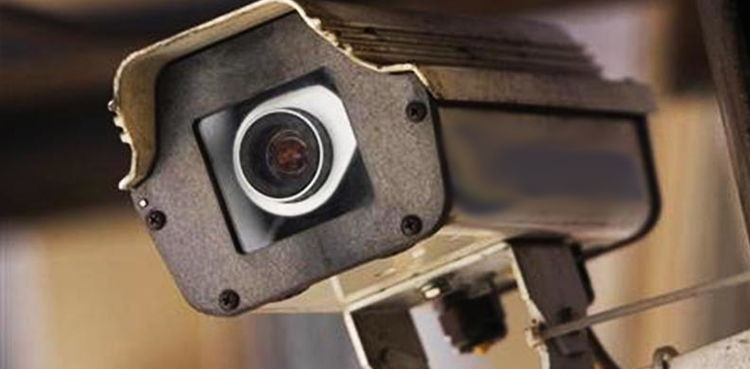
LAHORE: The Federal Board of Revenue (FBR) has rejected objections raised by the All Pakistan Textile Mills Association (APTMA) regarding the installation of monitoring cameras in textile mills, ARY News reported on Thursday, citing sources.
A dispute between the All Pakistan Textile Mills Association (APTMA) and the Federal Board of Revenue (FBR) has intensified over the installation of surveillance cameras in textile mills.
According to FBR sources, cameras will be installed in textile mills across the country from July 1 as part of efforts to enhance transparency and tax compliance within the sector.
Sources said that final warnings have been issued to the owners of 180 textile mills, directing them to ensure compliance with the new requirements. Mill owners will be responsible for bearing the installation costs of the cameras.
FBR sources further stated that mills failing to install the required monitoring systems will be treated as non-operational for regulatory purposes.
The tax authority alleges that the textile sector is attempting to conceal tax liabilities amounting to approximately Rs600 billion, prompting stricter monitoring measures.
Officials added that similar camera-based monitoring systems have already been implemented in the sugar, cement, and fertilizer industries.
Read more: APTMA, FBR at loggerheads over installation of monitoring cameras
APTMA sources argue that if the FBR wants to install cameras for its own monitoring purposes, it should bear its costs. They also contend that the initiative should not be limited to textile mills alone and should be extended to ginning and spinning units as well.
Industry representatives point out that only around 180 textile mills remain operational in the country, whereas there are more than 1,200 ginning and spinning units. They claim that expanding monitoring efforts to these sectors could help generate greater tax revenues.
The standoff between the tax authority and textile manufacturers continues, with both sides holding firm to their positions.